Grok Posts Seven Minutes of Its AI-Generated 'Odyssey' After Musk's Movie Pledge
Grok released seven minutes of its AI 'Odyssey' as 'Episode 1,' three months after Musk promised a full film; critics call the footage technically capable but dramatically lifeless.
Why it matters
- Grok released seven minutes of its AI-generated 'Odyssey,' labeled 'Episode 1,' three months after Musk promised a full film.
- The project was made with Wonder Studios and director Dev Walker.
- Nolan's 'Odyssey' opened in July, shot across six countries, and sold out Imax screenings for months.
- Musk had criticized Nolan's casting of nonwhite and transgender actors.
- Nolan calls himself 'a techno-skeptic' and says AI was never so completely rejected by the public.
Three months after Elon Musk promised a full-length, "historically accurate" AI-generated movie version of "The Odyssey," Grok has released seven minutes of footage — now framed by the company as "Episode 1 of our Odyssey series." The gap between the pledge and the delivery defines the story: a promised feature film has become, at least for now, a short-form episode.
What did Grok actually release?
Grok published the seven-minute segment under the "Odyssey" series label, retreating from the original framing of a complete movie. The project was created in collaboration with Wonder Studios and director Dev Walker, according to the source report.
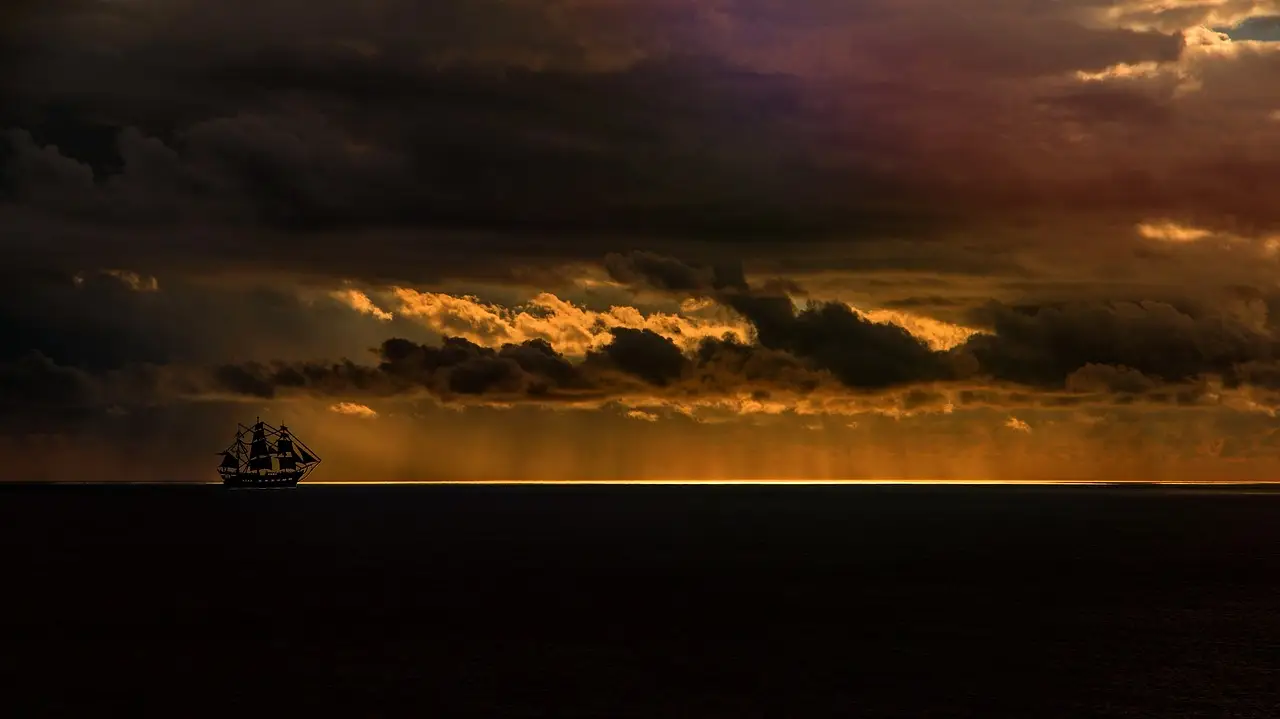
The footage is not the worst-case scenario some observers expected. The reviewer, writing after watching the release, conceded: "I'll admit it's not as spectacularly ugly as I'd expected, and certainly more impressive than other videos that Musk has posted recently." Individual shots occasionally pass for reality. "If I didn't know better, there were moments when I might have thought these were real actors sailing across a real sea."
But technical competence is where the praise ends. The review identifies structural failures that current video-generation systems have not solved.
Why does the Nolan comparison matter?
The release lands in direct opposition to Christopher Nolan's "The Odyssey," which opened in July and became an extraordinary box office success — selling out Imax screenings for months and emerging as the likely front-runner at the next Academy Awards. Nolan's production spanned six countries with a cast and crew of thousands, and relied primarily on practical filmmaking alongside visual effects.
The two men form a pointed contrast. Musk, the SpaceX and Tesla CEO, promotes data centers in space and posts a continuous stream of AI-generated content. Nolan has described himself as "a techno-skeptic" and said that before AI, he had never seen a technology "so completely rejected by the public." Musk had previously attacked Nolan's casting choices, criticizing the director for casting nonwhite and transgender actors.
The Grok version answers that dispute with casting of its own. The reviewer notes that every character appears "in a Musk-approved skin color," and the narrator speaks in a British accent that will sound familiar to anyone who has played a fantasy video game or watched a generic Hollywood epic from the past 25 years.
What does the seven minutes look like?
The release leans on a voiceover that carries the backstory. According to the review, this narration "seems to go on forever" before yielding to "one bearded face after another, each shouting stilted lines that make Nolan's dialogue sound like Shakespeare."
The core criticism is not visual fidelity but narrative failure. The footage, in the reviewer's words, "feels completely airless, offering viewers no sense of momentum, no reason to care about anyone or anything on-screen." A few isolated frames may provide "a reasonable simulacrum of reality," yet the sequence as a whole never accumulates into momentum.
The attention economy provides the sharpest measurement. The reviewer reports having no trouble staying engaged for the nearly three-hour runtime of Nolan's "Odyssey," but was "listlessly checking how much time was left before the Grok version was even halfway through." The closing judgment is blunt: "It's hard to imagine being interested in another seven minutes of this, much less a full movie's worth."
What are the stakes for AI video?
The episode crystallizes the central unresolved question in generative video: frame-level realism is arriving faster than storytelling. Grok's footage can, in isolated moments, mimic actors on a real sea. What it cannot yet produce is pacing, dramatic tension, or characters an audience invests in — the elements that turned Nolan's practical, six-country production into a months-long Imax sellout.
The relabeling matters as much as the content. A promise of a complete film delivered in July's competitive window has become an episodic series format three months later. That shift suggests the full-length pledge remains distant, and that the series structure is the delivery mechanism that matches what the model can currently sustain.
For now, the seven minutes stand as a benchmark of where AI video sits: past the uncanny valley in stillness, still short of cinema in motion.
Original: x.com
More from Rebecca Stone
Show full bio
Correspondent covering companies, deals and strategy in artificial intelligence and machine learning at AI In Context.
378 articles
Related articles
- Musk's AI-Made Odyssey Episode Draws 7.3M Views and Brutal Reviews
- Odyssey-3 world model opens as free public research preview
- Kling AI ships video generator 4.0: 30-second clips, 8,000-token prompts
- Prime Video's Castle Walls Is the First End-to-End AI TV Series — and a Mess
- Blue Planet III Keeps Cloudy Footage to Prove It Is Not AI