Tokyo Residents Sue and Petition as Data Centers Rise Beside Their Homes
Japanese residents are suing and petitioning as data centers rise beside homes in Kashiwa, Koto and Inzai, while Tokyo targets a $33.4 billion market by 2030 and drafts its first action plan.
Why it matters
- About 60 percent of Japan's data centers are in and around the Tokyo metropolitan area, home to about 37 million people.
- JLL expects Japan's data center market revenue to grow from $23.4 billion in 2024 to $33.4 billion by 2030, a 6.7 percent annual growth rate.
- A planned Empyrion Digital facility in Koto ward, due for completion in 2029, would store 1.2 million liters of heavy oil underground.
- Colt Data Centre Services began construction in 2025 on a 32-megawatt facility in Inzai; residents are suing over its building classification.
- Japan's government plans to finalize a data center action plan by year-end; the Japan Data Center Council and local governments issued best-practice guidelines this year.
Susumu Goto's house in Kashiwa once looked out on a grassy field where neighbors played baseball and soccer. Today, two 31-meter data centers owned by Hong Kong-based asset manager PAG loom in front of it, and at least once a month, tests of backup generators send black fumes into the sky.
"Every morning when I step outside, my whole view is swallowed up by the buildings," said the retired auto mechanic. "It feels oppressive. Seeing that day after day takes a real mental toll."
Each building is the size of a large warehouse but as tall as a 10-story apartment block. And two more data centers are planned on the roughly 10-hectare site, which sits among hundreds of houses, some farmland and a baseball field.
Why does this matter now?
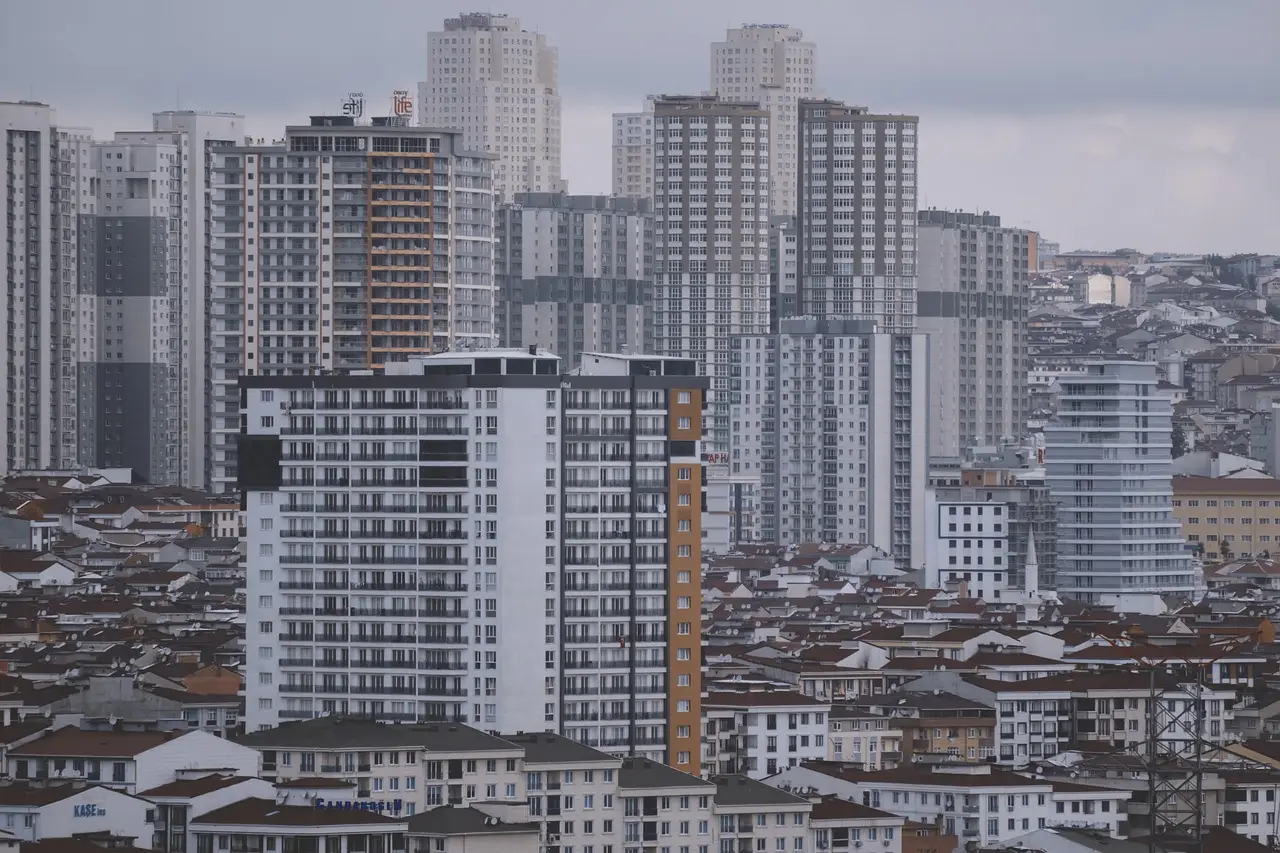
Loose regulation and political stability have made Japan a magnet for data center investment even as other countries have put administrative brakes on the industry. About 60 percent of Japan's data centers sit in and around the Tokyo metropolitan area, home to about 37 million people. That concentration is now colliding with a government that counts on the industry to drive economic growth.
The stakes are measurable. Consultancy JLL expects Japan's data center market, measured by revenue, to grow from $23.4 billion in 2024 to $33.4 billion by 2030 — an average annual growth rate of 6.7 percent.
Growing opposition from residents has prompted a review of the industry. An action plan aimed partly at heading off disputes is due to be finalized by year-end. Industry group Japan Data Center Council, along with Tokyo and several other local governments, has also drawn up best-practice guidelines this year as data centers have crept ever closer to homes.
What is happening in Tokyo's Koto ward?
In Koto ward, near Tokyo Bay, Ayano Sasaki worries about what Singapore-based Empyrion Digital's 51-meter data center will mean once it is completed, due in 2029.
Her apartment building stands 3.7 meters from the site of the planned facility. Underneath it, 1.2 million liters of heavy oil — enough to fill three 25-meter pools — will be buried underground. The area is designated as both flood-prone and among the capital's highest earthquake-risk zones.
"It's incredible that something like this can be built here without any special regulations," said Sasaki, a 37-year-old nurse.
Residents in Koto have filed appeals with Tokyo demanding binding rules on noise, heat, fuel safety and the placement of data centers. The petitions are awaiting deliberation in the metropolitan assembly.
Empyrion referred questions about the data center to local consulting firm USI Engineering, which said the site was chosen "after reviewing regulatory compliance, infrastructure conditions and environmental impact."
How bad is the noise in Kashiwa?
On a recent afternoon, six backup generators facing Goto's house fired up for a test run, belching out black smoke and hot air with a jet-engine-like whine.
"I can't stand the noise, so I close the windows or leave the house to escape it," the 76-year-old said, looking out from his second-floor window. Exhaust settles on his laundry, he said, and the smell can be overpowering.
The generators run whenever a new tenant moves in. Over the past two months, they ran for a combined 110 hours.
Goto asked the city to push the developer to locate the underground fuel tanks toward the middle of the site, farther from homes. The plea went nowhere.
"As long as this continues, I'll keep fighting to protect our living situation, maybe until the day I die," Goto said.
Asked whether proximity to residential areas was considered when selecting a site, PAG said: "We carefully consider numerous factors... including local environmental and community impact, and we work with city, prefectural and community leaders to understand their views before work commences."
PAG said it meets monthly with residents and that it has taken steps to address concerns. Those steps include erecting sound barriers and curtailing the hours of generator testing. "(We) will continue to engage with residents to address their concerns," the company said.
What is the court fight in Inzai about?
In Inzai city, between Tokyo and Narita airport, Junichi Takeda and fellow residents have taken their fight to court.
Britain's Colt Data Centre Services began construction this year on a 32-megawatt facility that will rise directly in front of Takeda's apartment, 11 meters away, blocking the view from his balcony.
Takeda and fellow plaintiffs are suing the city and Japan ERI, a government-authorized building inspection and certification company. They argue the project was wrongly permitted as an office rather than a factory or warehouse — a classification that would have barred construction there.
"Japan hasn't established the proper laws," said their lawyer, Satoshi Oikawa. "That's why you're seeing huge data centers being planned in residential areas or in front of train stations. That's threatening people's lives, and their rights. It's a big problem."
Inzai city and Japan ERI declined to comment because the cases are ongoing.
Could the Inzai lawsuit set a precedent?
Campaigners say the Inzai case could set a precedent for how — or whether — Japanese courts will police the office-zoning loophole developers have used nationwide.
The outcome matters beyond one city. With the market projected to grow at 6.7 percent annually through 2030, and the government's action plan due by year-end, the clash between residents and operators is only beginning. For now, residents are scrambling to raise awareness among the broader public with a simple warning: your community could be next.
Source: feed.koreatimes.co.kr
More from Elena Vasquez
Show full bio
Market editor covering technology and product news in artificial intelligence and machine learning at AI In Context.
927 articles
Related articles
- Datacenter Industry Uses Propaganda to Silence Opposition, Study Finds
- Texas moratorium threat puts Korean AI suppliers on notice
- APDCA launches a 10-step playbook for data centre policy
- Data Center Backlash Becomes a Political Force After Midterms
- Mitsubishi Heavy and SAKURA internet Sign MOU for Japan Sovereign AI Data Centers