Jet Engines Pulled From Retired Aircraft Now Power AI Data Centers
AI data centers stuck in seven-year grid queues are burning natural gas in rebuilt jet engines, with xAI, OpenAI and Crusoe leading a fast, dirtier workaround.
Why it matters
- A 100 MW grid connection in Northern Virginia takes about seven years, per the IEA.
- xAI installed eight converted jet-engine turbines in Mississippi for its Colossus 2 site in Memphis.
- Crusoe ordered 13 ProEnergy units in April but walked away from a $1.25 billion, 29-turbine Boom Supersonic deal in September.
- Microsoft exited as anchor customer of Nscale's Loughton site after the utility cited no power until the early-to-mid 2030s.
- Jet-powered units can get a data center running in 24 months, Rystad's Audun Martinsen said.
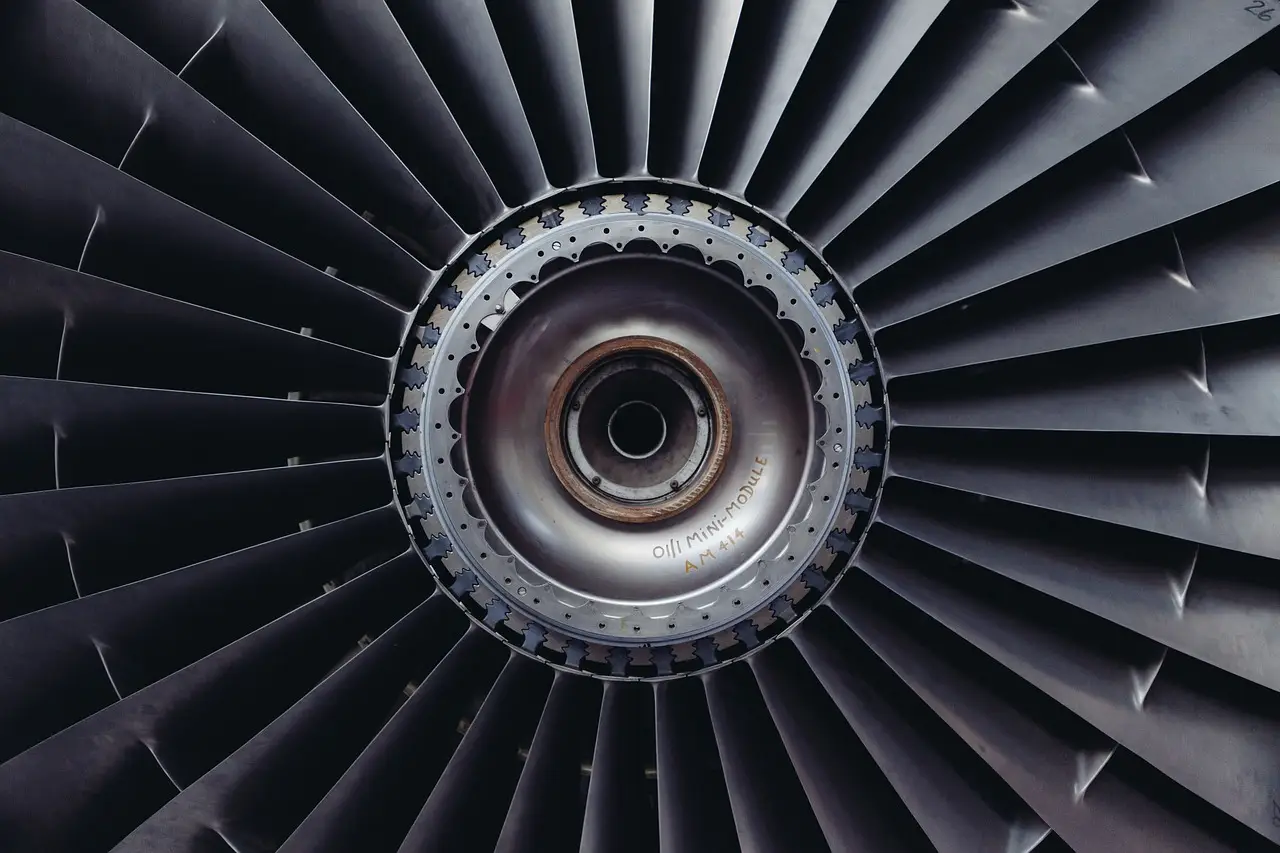
Some AI data centers are now generating their own electricity with converted jet engines pulled from retired aircraft, the New York Times reported Tuesday. The engines, rebuilt to burn natural gas, are not permanent power plants. But they show just how far electricity supply has lagged behind the AI buildout.
The math driving the trend is blunt. Hooking up 100 megawatts to the grid in Northern Virginia takes about seven years, according to the International Energy Agency. A jet-powered unit can be running far sooner.
"It's all about getting power as fast as possible," Rystad Energy analyst Audun Martinsen told the Times. With jet-powered units, "they can have a data center running in 24 months," he said.
That gap — seven years versus roughly two — is reshaping how AI infrastructure gets built.
Why are data centers waiting years for power?
Companies building AI data centers face two long queues. One is for grid connections, which in some regions stretch on for years. The other is for new turbines, the standard machinery of gas-fired generation.
Most new power capacity is expected to come online by 2031, an executive at Mitsubishi Power told Bloomberg last week. Mitsubishi Power is one of the world's top makers of power generation equipment. That timeline leaves operators with racks of GPUs and nothing to plug them into.
The delays are already costing real business. Last month, Microsoft pulled out as the anchor customer for Nscale's data center in Loughton, England. The reason: the local utility said it could not deliver enough power until the early-to-mid 2030s.
So operators are improvising. The converted jet engines are not elegant. They are, however, available and fast.
Who is actually using converted jet engines?
Elon Musk's xAI is among the companies already running them. The company installed eight converted jet-engine turbines in Mississippi to help power its Colossus 2 data center in Memphis, the Times reported, citing state permits and satellite imagery.
The units come from ProEnergy, which rebuilds a GE engine commonly found on Boeing jets.
In 2025, OpenAI followed Musk's lead. It deployed gas turbines at its first Stargate site in Abilene, Texas.
Crusoe, a Denver-based startup that builds AI data centers, is constructing the Abilene campus. In April, Crusoe ordered 13 of ProEnergy's converted units.
Crusoe's commitment to gas power has not been unconditional, though. In September, the company walked away from a $1.25 billion deal to buy 29 natural gas turbines from Boom Supersonic. Boom is a startup developing a supersonic passenger jet that has also begun selling a version of that jet's engine as a power plant for data centers. A Crusoe spokesperson told TechCrunch at the time that the company still plans to use turbines.
Does politics play a role?
Yes, and it is pushing in the same direction. The Trump administration is currently encouraging data centers to generate their own electricity, adding to the pressure on operators to go off-grid.
That policy posture matters for the market. If self-generation becomes the default workaround for grid bottlenecks, equipment makers like ProEnergy and Boom Supersonic gain a customer base they never planned for: AI companies whose core product is computation, not energy.
What are the trade-offs?
Converted jet engines are not clean machines. According to the Times, they are less efficient than turbines designed for conventional gas plants. They also pollute more. And it takes more of them to make the same amount of power.
That may ultimately make converted jet engines a short-term play. Some experts say efficiency and environmental concerns may grow in importance in a year or two, once the most acute power shortages ease.
The pattern is familiar to anyone who has watched infrastructure booms. The first response to a bottleneck is speed at any cost. The second response, usually prompted by regulators, fuel bills or public pressure, is optimization.
Why does this matter for the AI industry?
Power has become the binding constraint on AI expansion. Model training and inference demand enormous amounts of electricity, and the queue for that electricity now runs years longer than the queue for the chips themselves in some markets.
The jet-engine workaround tells us three things about where the industry stands.
- Speed beats efficiency, for now. Operators facing multi-year grid waits will accept higher costs and higher emissions to bring capacity online in 24 months. -- The shortage is costing deals. Microsoft's exit from Nscale's Loughton site shows utilities' timelines can kill signed customer relationships.
- New suppliers are emerging. ProEnergy, Boom Supersonic and other engine rebuilders are inserting themselves into a supply chain that used to belong to turbine makers like Mitsubishi Power.
The seven-year figure from the International Energy Agency frames the stakes. If grid connections in major data center markets like Northern Virginia stay that slow, self-generation stops being a stopgap and becomes the plan. The xAI installation in Memphis, documented through state permits and satellite imagery, suggests that shift is already underway.
The open question is duration. Some experts quoted by the Times expect efficiency and environmental concerns to regain weight within a year or two. If the 2031 wave of conventional capacity arrives on schedule, converted jet engines may look like a transitional technology — the bridge that kept the AI buildout moving while the grid caught up.
Original: bloomberg.com
More from Elena Vasquez
Show full bio
Market editor covering technology and product news in artificial intelligence and machine learning at AI In Context.
377 articles