Google Maps' Ask Maps Now Builds AI Itineraries and Calls Businesses for You
Google's Ask Maps update adds AI trip itineraries, live route details and agentic appointment finding as it expands to 30 European countries and 200+ territories.
Why it matters
- Google announced new Ask Maps features on November 16, 2026, including AI trip itineraries and live route details.
- Ask Maps is expanding to 30 European countries, including Spain, Germany and the UK, reaching more than 200 countries and territories.
- Ask Maps draws on data for more than 300 million places and reviews from more than 500 million contributors.
- Agentic appointment finding lets Ask Maps call local businesses on the user's behalf; it launches first in the US.
- Itineraries support export to Google Docs on desktop and remain editable conversationally after departure.
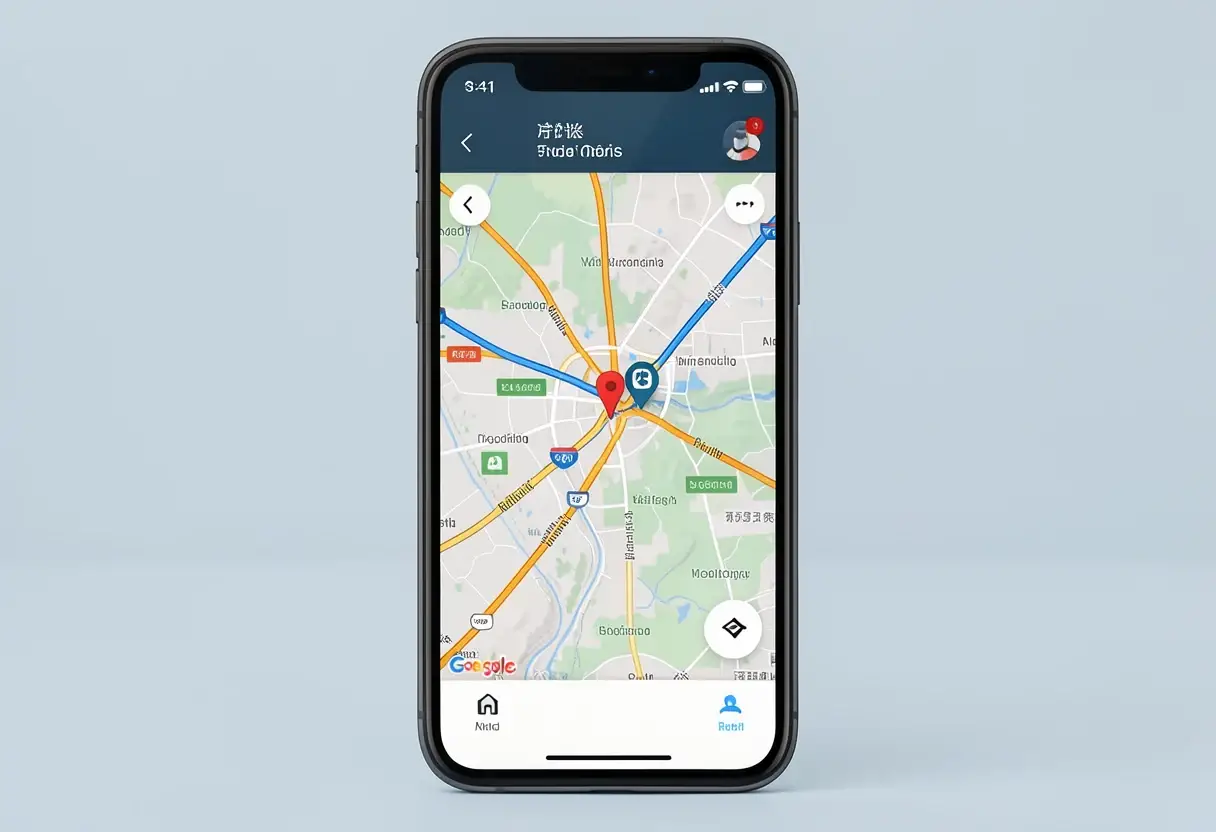
Google announced new Ask Maps features on November 16, 2026, adding AI-built trip itineraries, live route details, agentic appointment finding and saved-list search as the tool expands to 30 European countries. The update turns Maps from a navigation utility into a planning agent that operates before, during and after departure — a shift with real stakes for travel apps and local booking services that currently own those tasks.
The headline capability is itinerary generation. A user types a chat request — anything from a holiday-shopping day trip to a three-day road trip with coastal hikes and oceanfront dining — and Ask Maps returns a day-by-day schedule. Each stop gets a numbered map pin, and the plan includes what Google describes as insider tips. Users can visualize the itinerary on the map, share it with friends and family, or export it to Google Docs on desktop. Google has not said how it selects the recommended stops or what "insider tips" are sourced from; the quality of those choices will determine whether the feature is a planner or a suggestion engine.
What happens after the itinerary is built?
The itinerary does not die at departure. It stays accessible through Ask Maps itself or through an "itinerary" badge in the user's chat history. Once the user is on the move, the itinerary can display live traffic, whether a place is currently open, and a description of the next stop's vibe. That last item is a soft claim — "vibe" descriptions are exactly the kind of generative summary that invites skepticism until users test it against the actual venue.
Revision is conversational. A user can add a scenic viewpoint or a lunch stop mid-plan, then tap to get directions to the next stop directly from the itinerary. In plain words: the plan stays editable while you are executing it.
What do the new route tips cover?
Directions gain "Know before you go" tips covering parking and vehicle charging, alongside real-time conditions including weather, potential delays and tolls. The change matters because it consolidates preparation into the same directions view a driver consults just before leaving, rather than scattering that information across separate searches.
Google is launching "Know before you go" tips first in the United States, not worldwide. The company has not given a timeline for other markets.
How does agentic appointment finding work?
The most consequential addition may be appointment finding. Users can choose to have Ask Maps search online for beauty, pet care, auto and home-repair appointments and then call local businesses on the user's behalf. Google's own example: a request for a 4 p.m. nail appointment nearby returns open slots across nearby businesses, letting the user review the options before deciding what to book.
This is agentic AI — software taking actions on a user's behalf rather than only returning information — applied to a concrete, high-volume consumer task. Booking platforms and salon-scheduling intermediaries compete directly with a free assistant embedded in the world's most-used mapping app. The caveat: Google says the AI places calls, but the announcement does not specify how businesses handle automated callers, what happens when a slot is misbooked, or whether businesses can opt out. Those gaps will shape adoption more than the demo.
What does saved-list search solve?
Saved-list search addresses a different planning problem: choosing among places a user has already marked. Ask Maps can search across a user's saved lists and check live availability against them. Google's example is concrete — finding a listed spot with availability for five people within the next 30 minutes. The feature effectively converts passive bookmarks into a queryable, real-time inventory of personal options.
Where and when can users get it?
The rollout begins on Android and iOS, with a split availability picture:
- Travel itineraries and list search — available everywhere Ask Maps is offered.
- "Know before you go" route tips and appointment finding — launching first in the United States.
The European expansion includes Spain, Germany and the United Kingdom across a group of 30 European countries. With that expansion, Ask Maps reaches more than 200 countries and territories overall.
Google's European announcement says Ask Maps runs on the company's map and Gemini models. It draws on information about more than 300 million places, including reviews from more than 500 million contributors. Those two figures are the structural advantage Google brings to this contest: few competitors can pair a frontier model with a place database and contributor base of that scale.
Why the update matters beyond Maps
Taken together, the features connect discovery, planning and departure in one interface. A suggested stop becomes part of an itinerary; a saved place gets checked for current availability; the route gets reviewed against live conditions before the user sets off. Each step previously lived in a separate app or search session.
The competitive pressure lands on two fronts. Travel-planning services sell itinerary generation as their core product, and local booking platforms sell appointment discovery. Google is now bundling both into an app with billions of installs at no additional cost. The counterweight is trust: itineraries, vibe descriptions and AI-placed phone calls all depend on the underlying data being current and the agent behaving as intended — neither of which the announcement demonstrates with evidence. How reliably Ask Maps books the right appointment at the right business will decide whether this is a convenience or a liability, and the US rollout is where that question gets answered first.
Source: unite.ai
More from James Calloway
Show full bio
News editor covering people, launches and day-to-day practice in artificial intelligence and machine learning at AI In Context.
722 articles
Related articles
- Google Maps adds trip itineraries and booking help ahead of Thanksgiving travel
- KAYAK adds 28 AI features for live, conversational trip planning
- Google's Gmail Live Exits Beta for AI Subscribers
- Google Turns Play Store Into an AI Playground With Personal App Hosting
- Google Brings Maps Platform Development Into AI Studio