Google Commits Over $500 Million to Quaise for Super-Hot Rock Geothermal Power
Google will pay over $500 million for 50 megawatts from Quaise Energy's Oregon super-hot rock geothermal project, while Mazama Energy unveiled CO2-based drill cooling in a busy week for deep geothermal.
Why it matters
- Google committed more than $500 million for 50 megawatts from Quaise Energy's central Oregon project, announced Tuesday
- A single super-hot rock well could generate 15 megawatts or more; U.S. geothermal potential reaches up to 57 terawatts
- Quaise has raised over $270 million; Mazama Energy has raised $171 million from investors including Bill Gates
- Mazama drilled its second well 80% faster than its first, with its CO2 cooling tech cutting drilling time another 20%, CEO Sriram Vasantharajan said
- Drilling accounts for roughly 25-33% of a geothermal plant's total costs
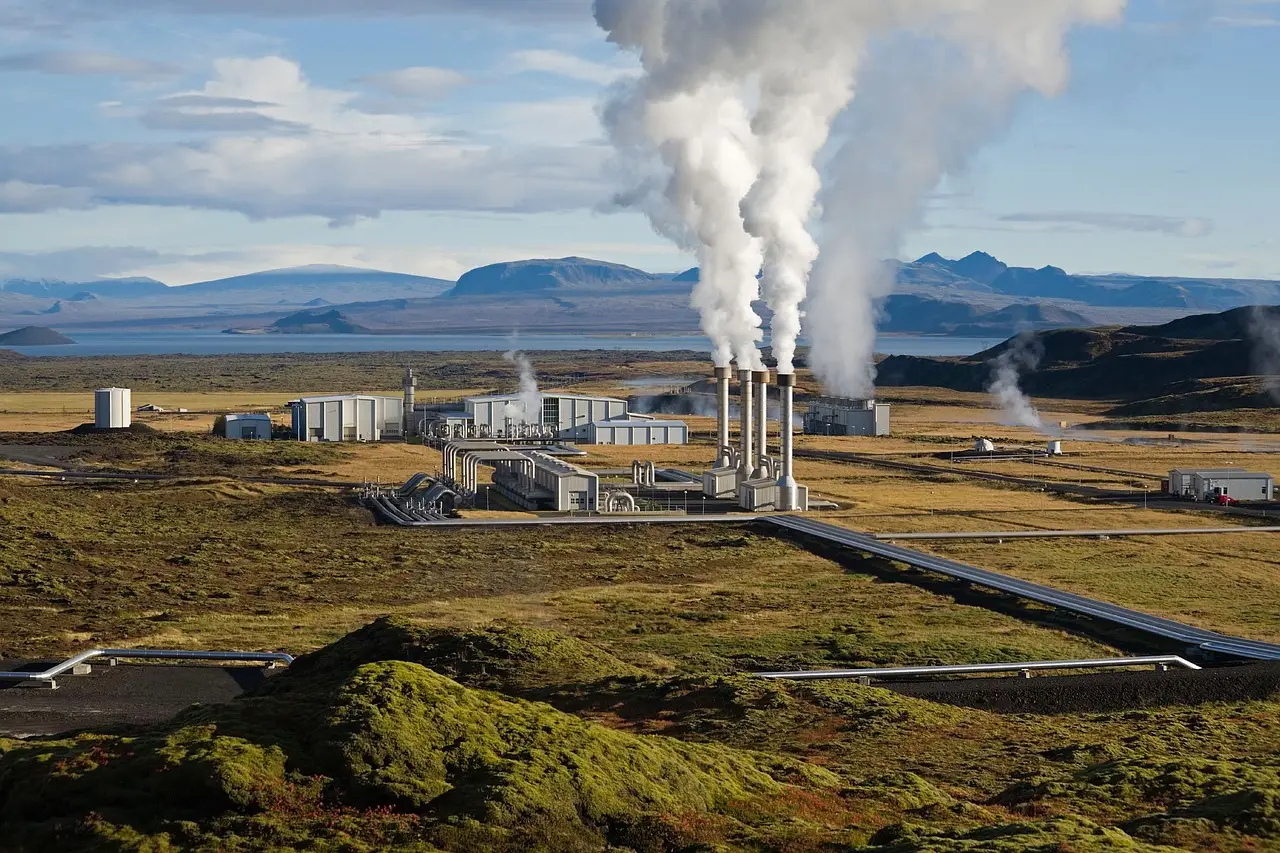
Google will pay more than $500 million to secure 50 megawatts of power from Quaise Energy's super-hot rock geothermal project in central Oregon, a deal announced Tuesday that marks the largest commercial commitment yet to a technology class racing to tap the deepest, hottest rock beneath the Earth's surface.
The agreement matters beyond geothermal. The U.S. holds up to 57 terawatts of potential geothermal generating capacity by industry estimates, a resource large enough to power the next wave of AI data centers. Tech companies, investors and the Trump administration have all embraced geothermal as a firm, carbon-free source of electricity that can run around the clock — a profile solar and wind cannot match on their own. Google's purchase is the strongest signal yet that hyperscalers will pay a premium to lock in that power early.
What makes super-hot rock geothermal different?
The basic technology behind enhanced geothermal has existed for decades, but drilling techniques borrowed from the oil and gas industry have recently supercharged the field. Fervo Energy, the sector's best-known name, went public earlier this year, giving broader markets their first taste of enhanced geothermal.
Super-hot rock is a step beyond. The approach exploits what happens to water at extreme depths. As water approaches the superheated core of the Earth, both temperature and pressure rise sharply. When conditions pass a threshold, ordinary water becomes a supercritical fluid — a gaseous-liquid state that carries tremendous amounts of energy. A single super-hot rock well could generate 15 megawatts of electricity or more.
That output per well is the entire bet. Quaise and Mazama Energy, the two startups most committed to the approach, are wagering that going deeper and hotter will yield substantially more power from each well than today's state-of-the-art commercial geothermal plants. Drilling accounts for roughly a quarter to a third of a geothermal plant's total costs, so fewer wells could make a project significantly more competitive.
How does Quaise plan to drill?
Quaise's Oregon project will tap searing heat three miles deep, and its method for getting there sounds like science fiction. Starting at about 2.5 miles down, the company will swap its conventional drill bit for one powered by a gyrotron. The device bombards rock with millimeter-wave radiation, turning it to ash. The hope is that the technique makes drilling under super-hot conditions cost-effective — a persistent problem for traditional metal drill bits, which wear out faster at those temperatures.
Google is paying above market rates for the amount of power Quaise will deliver. That premium fits the company's established strategy of buying in early from potential suppliers. Google was both an investor in and an early customer of Fervo Energy.
What did Mazama and XGS announce?
The Google deal was not the week's only development. On Monday, Khosla-backed Mazama Energy announced it had solved one of the field's core engineering problems: keeping drill heads cool as they bore into super-hot rock.
Mazama's approach rejects Quaise's exotic drilling hardware. The startup believes traditional drill bits will work fine if they can be cooled. Its newly announced technology, Carbon Chill, replaces water-based drilling "mud" with carbon dioxide. At those depths and temperatures, the CO2 turns supercritical and can hold significant amounts of energy.
Just above the drill bit, the carbon dioxide passes through a valve resembling a rocket nozzle. As the gas expands on the far side of the valve, the expansion rapidly cools it, letting it absorb significant heat from the bit. The CO2 also carries drill cuttings to the surface, where it is filtered and reused.
XGS Energy took a more preliminary step last week. The Department of Energy awarded the company a grant to refine materials, well designs and models that improve reliability at the depths where super-hot rock exists. XGS is dipping its toes in the super-hot waters, while Mazama and Quaise have made it their core focus — with sharply different technical approaches.
Who is funding the race?
Investors have placed substantial capital behind both leaders. Quaise has raised more than $270 million from investors including Prelude Ventures, Collaborative Fund and Engine Ventures, with Vinod Khosla stepping in as an angel investor, according to PitchBook. Mazama has raised $171 million from investors including Khosla Ventures, Doerr Capital and Bill Gates.
The fundraising reflects conviction that the drilling technologies will soon prove themselves commercially. As with any new energy technology, the techniques carry risk and may not pay off.
Do the early results hold up?
Mazama's field data points in the right direction. The company drilled its second well 80% faster than its first, and its CO2-cooling technology cut drilling time by another 20%, co-founder and CEO Sriram Vasantharajan told TechCrunch.
Those gains, combined with Google's half-billion-dollar vote of confidence in Quaise, suggest the race to commercialize super-hot rock geothermal is accelerating. If either startup's wells deliver on the 15-megawatt-per-well promise, geothermal could move from niche supplier to a primary power source for the data center buildout — and the winners of the drilling race will shape how the next phase of the American grid gets built.
Source: techcrunch.com
More from Rebecca Stone
Show full bio
Correspondent covering companies, deals and strategy in artificial intelligence and machine learning at AI In Context.
874 articles