CGI's Brain-Hemorrhage AI Clears EU Medical Device Rules
CGI's AI Head Analysis, developed with Helsinki University Hospital and Planmeca, has received EU class IIb medical device certification, clearing the path to hospital-scale deployment of the CT hemorrhage detection tool.
Why it matters
- CGI announced class IIb EU MDR certification for CGI AI Head Analysis on November 24, 2026, enabling hospital-scale deployment.
- A Scientific Reports study (August 15, 2025) reported 89.8% sensitivity and 89.5% specificity across 7,797 emergency head CT scans, with 6.7-second median analysis time.
- The system detected all 78 hemorrhage cases imaged within 12 hours of symptom onset and found 5 hemorrhages missed in initial on-call reports.
- An earlier 2023 Neurology study of the subarachnoid component showed 99.3% sensitivity but 63.2% specificity, flagging roughly one alert per three normal scans.
- Validation remained internal to Finnish hospitals, and the 2025 study did not measure effects on day-to-day radiology workflows.
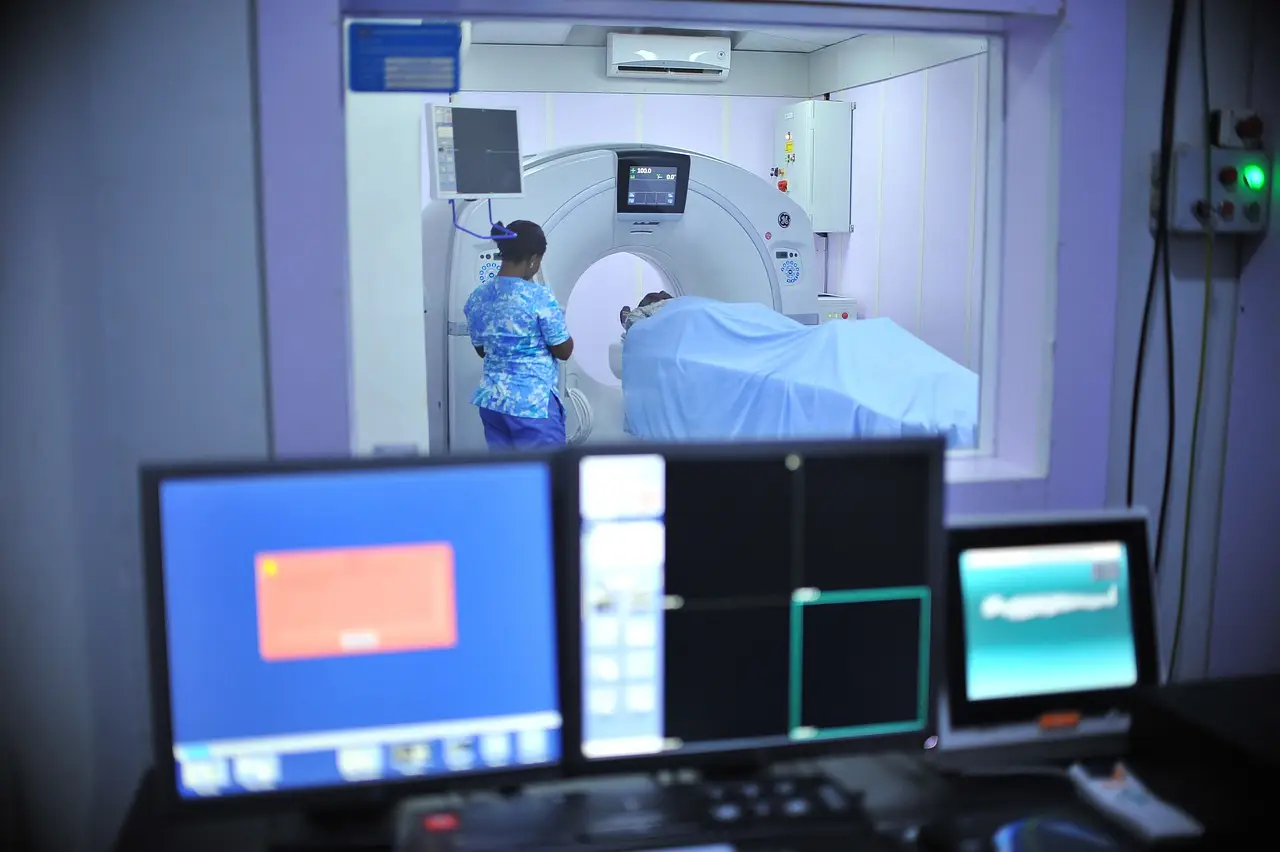
CGI announced on November 24, 2026, that CGI AI Head Analysis, a tool built with Helsinki University Hospital and Planmeca, has received class IIb certification under the European Union Medical Device Regulation. The software analyzes head CT scans for non-traumatic, spontaneous intracranial hemorrhages and marks suspected acute blood for physician review. That certification matters because it clears the regulatory barrier that previously blocked hospital deployment of the hemorrhage detection software — the single obstacle standing between years of development and actual clinical use.
The certification confirms the system meets national and EU standards for safety, quality and performance, and it enables hospitals to deploy the software at scale, according to CGI. Sonja Pietilä, who led solution development at CGI, said: "It can now be integrated directly into hospital imaging workflows and decision-making." The intended use is diagnostic support in settings like busy emergency rooms, where physicians want an extra check against overlooking a potentially life-threatening bleed.
For context on the stakes: spontaneous intracranial hemorrhage is a time-critical diagnosis, and missed cases in crowded emergency departments can be fatal. A certified, deployable second reader in this space is rare in the EU — which is exactly why this regulatory milestone, not a new model release, is the news here.
How does the system actually work?
The mechanics are straightforward. Several algorithms run in parallel to identify the common non-traumatic hemorrhage types. CGI reports those types account for 99% of acute cerebral hemorrhages, and that the system identifies a specific bleed with up to 98% accuracy.
The workflow is deliberately radiologist-first. A radiologist interprets the images independently, then receives the AI outputs as support and compares their diagnosis with the system's results. The software supplies a second assessment rather than taking over the diagnosis.
In plain words: the AI never sees the patient before the doctor does, and it never issues the final call.
Development and clinical testing used images from different hospital imaging devices. Several hospitals independently tested and validated the solution, including a large Swiss university hospital. The project also ran a responsible AI framework covering privacy and security risks in the data, the operating environment, and data movement from diagnostic imaging to analysis, with experts involved from design through output interpretation.
What did the validation studies find?
The peer-reviewed evidence comes in two parts. A Scientific Reports study published on August 15, 2025 describes four base convolutional neural networks that feed their predictions and the original image into a metamodel, followed by rule-based post-processing. Training used 300 head CT scans.
The numbers from the retrospective evaluation:
- 7,797 consecutive emergency head CT scans from ten emergency rooms
- 118 scans with spontaneous intracranial hemorrhage
- Case-level sensitivity of 89.8% with full post-processing
- Case-level specificity of 89.5%
- Median analysis time of 6.7 seconds per scan
Sensitivity and specificity here mean, respectively, the proportion of hemorrhage cases detected and the proportion of negative scans correctly classified. The system caught all 78 hemorrhage cases imaged definitely or presumably within 12 hours of symptom onset, and it identified five hemorrhages that were absent from initial on-call reports. Those five finds are the argument for the whole product — a second look that catches what a tired on-call radiologist misses.
The ensemble also incorporated an earlier subarachnoid hemorrhage algorithm, evaluated in a 2023 Neurology study. Across 1,379 external validation cases, that earlier study reported 99.3% sensitivity and 63.2% specificity. The earlier authors were candid about the trade-off: the false positives would produce an alert in roughly every third normal scan, requiring clinicians to inspect positive findings. That positioned the algorithm as assistance rather than a replacement for clinicians — and the later ensemble and post-processing were developed specifically to reduce that false-positive problem.
The takeaway from the studies: detection of acute bleeds is strong, and the system is fast, but the false-positive burden was a known weakness that the newer architecture only partially engineered away.
What are the limits of that evidence?
The 2025 researchers themselves flagged three constraints. First, the validation remained internal to Finnish hospitals. Second, it used on-call radiology reports as the ground truth — meaning the reference standard was itself produced under real-world, sometimes error-prone conditions. Third, sensitivity declined with longer symptom-to-imaging intervals, which makes the system best suited to acute cases rather than every presentation.
There's also a workflow gap. The researchers did not assess clinical-workflow usefulness because the system was not an approved medical device at the time of the study. Certification now fixes the regulatory half of that problem, but it does not fill the measurement gap.
That's the honest read of this story: an algorithm with solid acute-case numbers, a regulatory green light, and no data yet on what it does to the daily rhythm of a radiology department.
Why does certification matter now?
Class IIb under the EU MDR is a demanding category — it covers devices where an incorrect result could cause serious harm, which is plainly the case for hemorrhage detection. Passing that bar, with validation from multiple hospitals including a large Swiss university hospital, is what converts a research prototype into something a hospital can legally run at scale.
Deployment at scale is the stated next step, and Pietilä's framing — direct integration into hospital imaging workflows and decision-making — signals the partners intend to take it. The open question is operational, not regulatory: how will acute-case detection and the false-positive review described in the studies affect day-to-day radiology workflows? That effect, as the 2025 study's authors noted, has not yet been measured — and the first Finnish hospitals to deploy at scale will effectively run that experiment in production.
Source: unite.ai
More from Sophie Lindqvist
Show full bio
Staff writer covering regulation, policy and their impact on artificial intelligence and machine learning at AI In Context.
941 articles
Related articles
- TestDynamics Raises $9 Million to Evaluate Medical Imaging AI
- Solar now beats gas in Europe. Spain's midday price crash shows the catch
- Google Gives AI Agents Until February 2027 to Move Off Workspace REST APIs
- TIDAL to Delete 29 Million AI-Generated Songs From Its Catalog
- Nvidia Reinstates Jensen Huang as $4.8bn Chip Diversion Sits Unpunished