Brookfield targets $27 billion AI data center at UK power station
Brookfield, Radiant and Drax Group plan an AI data center in North Yorkshire targeting over 1 GW, with investment that could exceed £20 billion ($26.8 billion). Drax shares jumped 8.8%.
Why it matters
- Brookfield estimates total investment, including semiconductors, could exceed £20 billion ($26.8 billion), with £2.5 billion in phase 1.
- The project targets up to 100 MW operational from Q1 2028, another 500 MW by 2031, and over 1 GW eventually.
- Drax Group shares rose 8.8% in early London trading on Tuesday's announcement.
- In October, Microsoft reportedly pulled out of anchoring an Nscale data center outside London amid grid connection delays.
- Google pledged at least €13 billion ($15.1 billion) in AI infrastructure in Finland in September, its largest European investment.
Brookfield is targeting a £20 billion ($26.8 billion) AI data center on the site of a working power station in northern England, and the market noticed immediately. London-listed shares of Drax Group, the energy company that owns the land, jumped 8.8% in early trading on Tuesday after the deal was announced.
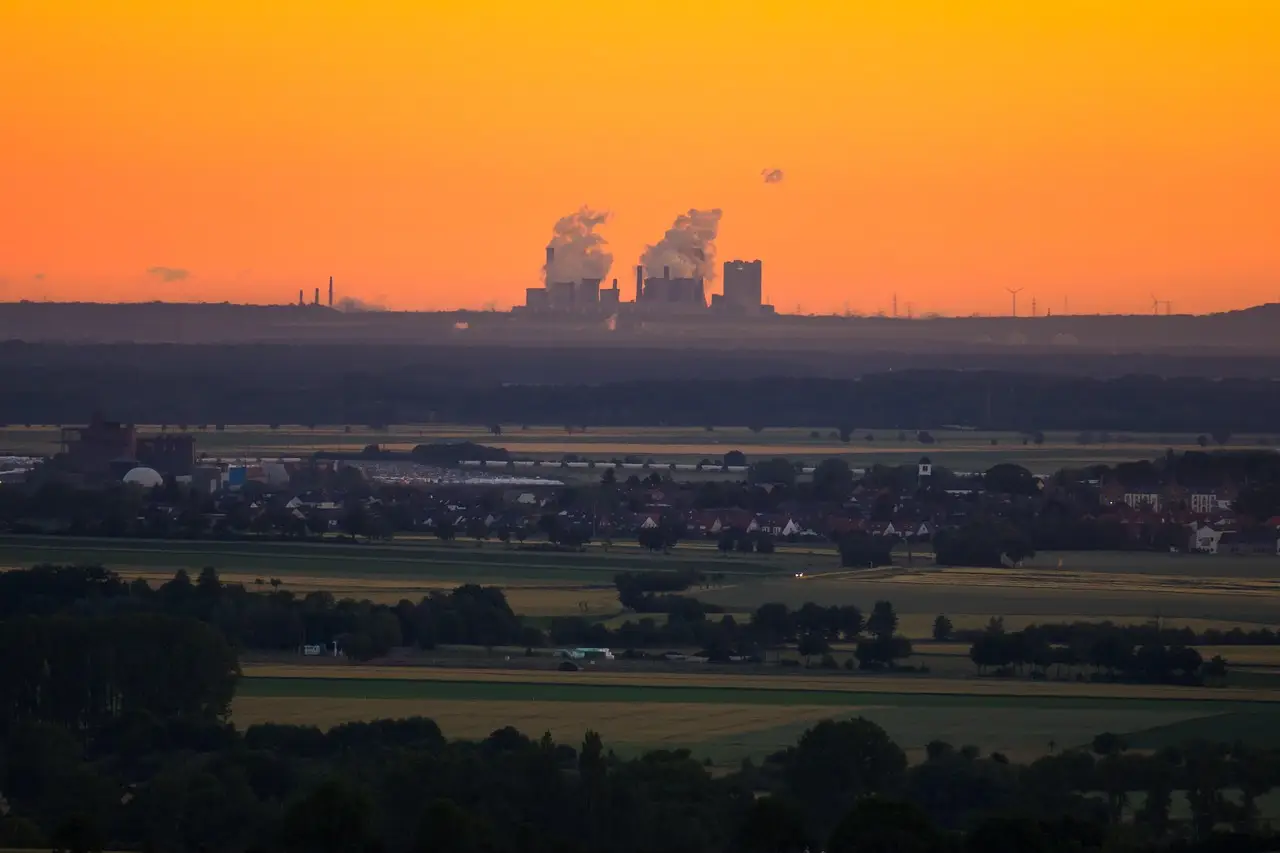
The agreement brings together Drax, Canadian asset manager Brookfield, and Radiant, Brookfield's neocloud platform. Their plan: jointly develop an AI data center on the Drax Power Station estate in North Yorkshire. It is one of the largest AI infrastructure commitments the UK has seen, and it lands at a moment when Europe is scrambling to catch up with the United States on compute capacity.
The numbers are big, and they arrive in stages.
How big is the project and when does it go live?
The first phase targets up to 100 megawatts of capacity, operational from the first quarter of 2028, according to Drax's statement. A further 500 MW would come online between 2028 and 2031. Beyond that, the partners are looking to secure more than 1 gigawatt of capacity at the site, on a timeline Drax did not specify.
Brookfield estimates total investment, including semiconductors, could exceed £20 billion ($26.8 billion). The initial phase calls for £2.5 billion of investment. The first phase will draw power from the grid and target commercial customers from early 2028.
But nothing is signed in concrete yet. Drax said the initial phase remains subject to planning, regulatory and network approvals from the government and relevant agencies, plus securing a tenant for the project. Final investment decisions, the company added, have not been made.
That caveat matters. In the UK, grid connection delays have already derailed at least one high-profile AI data center deal, and approvals of this scale can take years.
Why is a power station site the whole story?
"This is a unique opportunity for the UK's AI ecosystem to build at scale," Radiant CEO Mahdi Yahya said in a statement. "By designing, building and operating from the UK, it will give British researchers, startups and enterprises access to frontier compute at home."
The quote cuts to the core of the problem. Europe has lagged the United States in building the massive data centers AI models demand, and the UK has struggled more than most. The country's energy costs are high, and businesses face long waiting times to connect to the grid. Building directly on the estate of an existing power station is a way to sidestep the land and connection bottlenecks that have slowed projects elsewhere in Britain.
For Drax, the deal opens a second life for infrastructure built for a different energy era. For Brookfield and Radiant, it offers a UK foothold in a market where frontier compute has been scarce. And for British AI firms, the promise is access to serious compute without shipping workloads to US data centers.
Why has Europe fallen behind on AI data centers?
The gap is structural, not accidental. The United States has surged ahead in developing the huge facilities needed to power AI. Europe has been slower to break ground, and the UK's specific constraints — expensive power and grid queues measured in years rather than months — have made it a difficult place to build.
The problem is not theoretical. In October, it was reported that Microsoft had pulled out of a deal to anchor an Nscale data center just outside London, amid delays connecting to the country's power grid. An Nscale spokesperson told CNBC at the time that the company remained "committed" to the project and was "exploring alternative power sources for the site."
That episode is the backdrop against which the Drax deal reads as significant. A project sited at a power station, with phased capacity and a deep-pocketed backer, is a direct answer to the grid problem that sank or stalled earlier UK attempts.
How does this compare with Europe's other mega-deals?
The Nordics show what abundant power and available land can buy. Countries in the region, Finland among them, have attracted major AI data center commitments this year. In September, Google said it would invest at least 13 billion euros ($15.1 billion) into AI infrastructure in Finland — the tech giant's largest single investment in Europe.
Put the two side by side and the pattern is clear. Google's Finnish bet is roughly $15.1 billion; Brookfield's North Yorkshire estimate could exceed $26.8 billion. If the Drax project reaches its full more-than-1-gigawatt ambition, it would rank among the largest AI compute sites in Europe.
The UK, lacking Nordic-style hydro abundance, is betting that colocating compute with existing generation assets can compensate. Whether that bet pays off depends on the approvals Drax flagged — planning, regulatory, network — and on finding an anchor tenant willing to commit to a site that won't deliver power until early 2028.
What happens next?
The immediate milestones are procedural: government and agency approvals, a secured tenant, and final investment decisions, all still pending per Drax's statement. The first 100 MW is targeted for the first quarter of 2028, with the £2.5 billion initial phase riding on those sign-offs.
The stakes extend well beyond one site. Europe's AI ambitions hinge on whether it can build compute infrastructure fast enough to keep researchers, startups and enterprises from depending entirely on US capacity. Yahya's framing — "frontier compute at home" — is the industry's shorthand for that dependence, and the Drax deal is the UK's most concrete attempt yet to break it.
Source: CNBC Tech
More from Elena Vasquez
Show full bio
Market editor covering technology and product news in artificial intelligence and machine learning at AI In Context.
381 articles
Related articles
- Drax, Britain's most polluting plant, to power £20bn AI datacentre
- National Grid Buys 73 Acres on Teesside for Britain's Biggest Substation
- Google's Emissions Jumped 50% in 2024 to Feed Generative AI
- Firmus Cuts Valuation Ahead of ASX Float as Investor Appetite Wanes
- UK's 'Largest Supercomputer' Site Slips Past 2027 Launch