Voters Rejected 40 of 41 Data Center Ballot Measures in 2026 Midterms
Voters rejected 40 of 41 data center ballot measures across 10 states, as Democrats won key races in Ohio, Texas and beyond on an AI backlash platform.
Why it matters
- Voters rejected 40 of 41 data center ballot measures across 10 states on Tuesday, per Ballotpedia and CNBC.
- OpenAI secured 8 gigawatts at Ohio's PORTS-Pike campus, a project potentially costing over $500 billion.
- 56% of voters called data centers a crucial or major factor in their decision, per a CNBC Voter Poll.
- Crypto, AI and gambling interests poured more than $377 million into the 2026 midterms, per FEC records analyzed by CNBC.
- Rep. Greg Casar called for AI company CEOs to testify under oath after Democrats won the House.
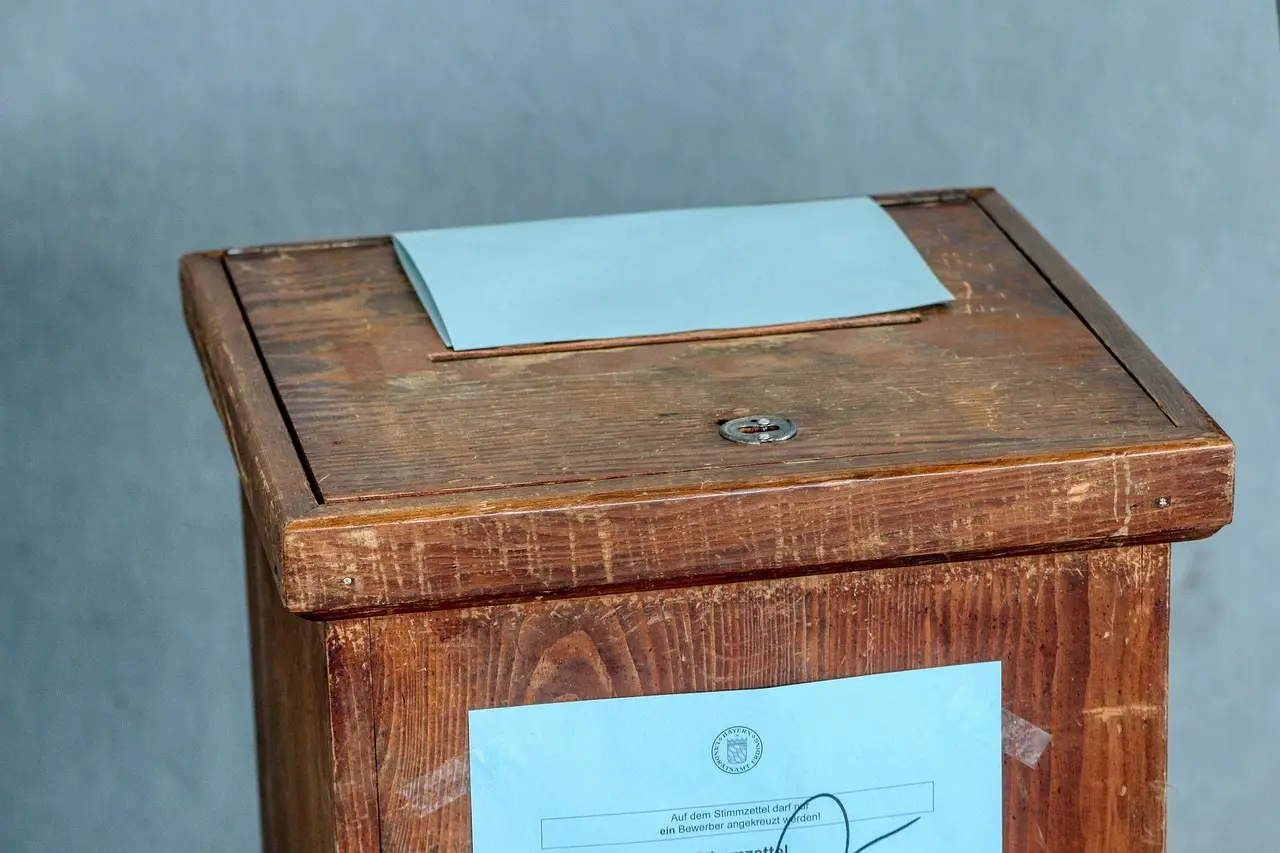
Voters rejected 40 of 41 local ballot measures restricting data center construction across 10 states on Tuesday, delivering the clearest electoral rebuke yet to the artificial intelligence infrastructure boom. The sole exception came in Harwood, North Dakota, where voters defeated a charter amendment that would have mandated additional review before city approval of industrial developments, including data centers, according to an analysis by Ballotpedia and additional results gathered by CNBC on Wednesday.
The scale of the rejection matters. Ballotpedia counted 41 local ballot measures in 10 states that would restrict data center construction in different ways. Voters sided against the facilities in every contest except Harwood. Communities in California, Florida, Illinois, Kansas, Maine, New Jersey, Nevada and Wisconsin also weighed in, and data centers emerged as a decisive motivating factor up and down the ballot.
The issue was not marginal. In a CNBC Voter Poll, 56% of voters said data centers were a crucial or major factor in their decision, with Democrats ranking the issue higher than Republicans.
Why did Ohio become the epicenter?
Ohio hosted 21 of the 41 measures, more than any other state, according to Ballotpedia. The state, named America's Top State for Business in 2026 by CNBC, has become the key battleground for the data center fight — and for the AI industry's expansion plans.
The stakes are enormous. OpenAI announced in August that it secured 8 gigawatts of computing capacity at the PORTS-Pike Technology Campus in Ohio, the largest planned AI data center campus in the world. The project's website says the first phase of construction is slated to begin this year, with capacity coming online in phases starting in 2028.
The ownership structure behind the campus ties together several of the industry's biggest names:
- SoftBank and SB Energy are developing the site in partnership with the U.S. Department of Energy.
- SoftBank, a major OpenAI investor, and OpenAI announced plans earlier this year to invest $1 billion in SB Energy.
- Nvidia is backstopping the project, which could cost more than $500 billion in total.
Ohio's statewide results compounded the local defeats. Democrat Sherrod Brown ousted Republican Sen. Jon Husted after casting the incumbent as "the face of data centers." The Governor's Mansion also turned blue: Democrat Amy Acton, a physician, defeated Republican businessman Vivek Ramaswamy. Acton supports a "conditional moratorium" on data centers to ensure they cover 100% of utility costs and "exclusively build with union labor."
What does the Texas result signal for the AI industry?
Democrats who campaigned on pausing or regulating new data center projects won key races in Ohio, Wisconsin, Georgia and Texas — a state on track to become the world's largest data center market by 2030.
The biggest result of the night for Democrats came in Texas. Gina Hinojosa unseated Gov. Greg Abbott after blaming the Republican incumbent for the rapid buildout of data centers across the state and for putting the tech industry's interests ahead of local communities. The Texas results appear, in CNBC's assessment, to be a warning sign for the AI industry as a whole.
Money did not save the industry's preferred candidates. Silicon Valley spent record sums trying to shape the 2026 midterms, with the GOP holding a commanding advantage among the election's biggest donors. According to a CNBC analysis of Federal Election Commission records, 14 of the 20 largest donor groups backed Republicans almost exclusively. Crypto, AI and online gambling interests poured in more than $377 million.
Elon Musk, who spent hundreds of millions of dollars this election cycle, largely came up empty. His response was brief. "Data centers in space looking pretty appealing right now," Musk wrote in a post on X.
What happens next in Washington?
Within hours of the polls closing, Democrats were already calling for AI executives to testify under oath. Rep. Greg Casar, the Texas Democrat who chairs the Congressional Progressive Caucus, was among the first to seize on the results after Democrats were projected to win the House.
"The House Democratic majority must make it a top priority to protect Americans' jobs, freedom, and lives from AI billionaires," Casar said in a statement. "AI company CEOs should be called to testify under oath."
Casar accused Republicans of being "bought and paid for by AI billionaires," arguing that voters had rejected that influence and warning Democrats to "hold them accountable instead of cashing their checks." He framed the data center fight as the opening chapter of a much larger political conflict.
"The revolt against data centers was one of the top issues of the 2026 election," Casar said. "And in a few years we will look back on it as just the early tremor of a much bigger AI earthquake upending American politics."
How bad is the timing for the industry?
The electoral backlash lands on an AI trade that was already faltering on Wall Street. Chipmakers, neoclouds (smaller cloud providers renting AI computing) and other data center-related companies sold off in October on concerns about rising interest rates and overspending.
The hyperscalers — Alphabet, Amazon, Microsoft and Meta — are each spending hundreds of billions of dollars a year on AI infrastructure to meet what they describe as insatiable demand. All of those companies except Microsoft have turned cash flow negative in the process.
That financial pressure is the context that makes Tuesday's results consequential. Getting data center projects off the ground may have just gotten a lot harder, at the exact moment the industry's capital commitments are at their largest and its investors are already nervous. A project of the PORTS-Pike campus's ambition, potentially exceeding $500 billion, depends on local permits, utility arrangements and political goodwill in the very communities that just voted against the facilities 40 times out of 41.
The message from the ballot box is now unambiguous: the AI buildout has become a electoral liability, not just a construction project. Whether that translates into federal testimony, state moratoria or renegotiated utility deals, the industry's next phase will be fought in hearing rooms as much as in server halls.
Source: CNBC Tech
More from Marcus Bennett
Show full bio
Senior reporter covering companies, deals and strategy in artificial intelligence and machine learning at AI In Context.
380 articles
Related articles
- Data Centers Lost the Midterms: Voters Rejected AI's Building Boom
- Voters Punished Data Center Backers in the 2026 Midterms
- Tech on the Ballot: Data Centers, AI Backlash and a $340 Million Tax Fight
- 76 Percent of Mainers Oppose Data Centers — and It May Decide the Senate
- Texas Elected Its First Democratic Sweep in Decades, and AI Data Center Builders Are Bracing