The RTX 3060 Still Tops Steam's Hardware Survey, Six Years On
Steam's October survey shows NVIDIA's 2021 RTX 3060 tied with the RTX 5070 at 3.78 percent, as AI-driven memory shortages push successor prices 64 percent above list.
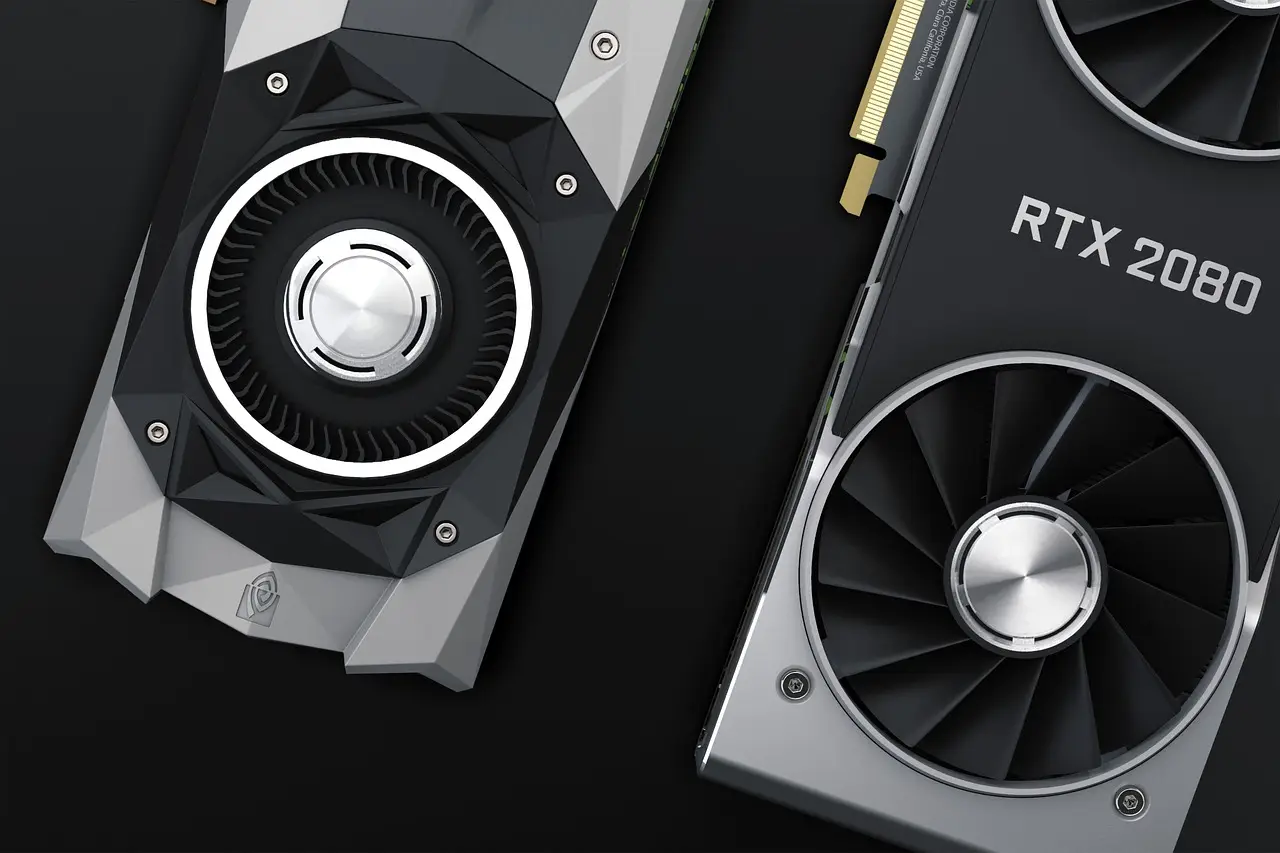
Why it matters
- Steam's October hardware survey ties the RTX 3060 and RTX 5070 at 3.78 percent of surveyed PCs.
- Median RTX 5070 Newegg prices rose from $659.99 in June to $899.99 in August, a 64 percent premium over the $549 MSRP.
- NVIDIA allegedly restarted RTX 3060 12GB production in June, two years after discontinuing it in August 2024; most units now sell around $500.
- Desktop GPU shipments hit 12.5 million in Q2 2026, the highest since early 2022, per Jon Peddie Research.
- 50.23 percent of Steam users still game at 1920 x 1080, where the 3060's 12GB of VRAM remains adequate.
NVIDIA's RTX 3060, launched in February 2021 at $329, remains the most popular GPU among PC gamers almost six years later, according to Valve's October hardware survey. The aging card shares the top spot with the RTX 5070, each appearing in 3.78 percent of surveyed systems. Two full generations of NVIDIA successors have failed to displace it at scale.
The story matters beyond gaming nostalgia. AI data centers are consuming the supply of cutting-edge graphics memory, pushing new card prices far above list, and the mainstream upgrade path that would normally retire a 3060 has effectively closed for most buyers. The result is a stagnating installed base that shapes what game developers can target and what NVIDIA can sell.
By James Calloway
Why is a 2021 card still number one?
The RTX 3060 entered the market during a fierce crypto boom. NVIDIA shipped it with a driver-level limiter that halved Ethereum mining speed, an attempt to keep cards in gamers' hands. It failed to prevent scarcity then, and scarcity of a different kind is protecting the card now.
Valve's October 2025-era survey data shows the RTX 3060 tied with the RTX 5070 at 3.78 percent of surveyed PCs. That is down from 4.79 percent in August 2025, according to the same survey. The card still leads the charts, but it leads a shrinking population. Valve also counts laptop chips separately; combining the desktop RTX 4060's 3.51 percent with the RTX 4060 Laptop GPU's 3.60 percent yields 7.11 percent — nearly double the 3060's share, though split across two hardware variants. The takeaway: the 3060's crown reflects a fragmented market, not renewed dominance.
What do inflated prices have to do with it?
Everything. NVIDIA lists the RTX 5070 at $549, but median Newegg prices climbed from $659.99 in June to $899.99 in August — a 64 percent premium over MSRP. RTX 50-series cards use GDDR7 memory (the newest generation of graphics DRAM), and AI data centers are swallowing up memory production. GPU supply, by the source's assessment, looks limited for the foreseeable future.
NVIDIA allegedly restarted production of the RTX 3060 12GB in June, nearly two years after discontinuing it in August 2024. The logic is sound: the card uses Samsung's older 8nm process and GDDR6 memory, so it does not compete for the scarce cutting-edge fabrication capacity that AI chips demand. But the revival has not restored sanity to pricing. The revived card kept its $339 launch price on paper, yet most versions now sell for around $500 or more — roughly 50 percent above list for five-year-old silicon. Restarting production was rational; calling it relief for gamers would be a stretch.
Are gamers still buying cards at all?
Yes, but the mix is skewed. Desktop graphics card shipments hit 12.5 million in Q2 2026, the highest since early 2022, according to Jon Peddie Research. "Our theory is consumers rushed to buy AIBs before the prices went any higher," said Jon Peddie, president of Jon Peddie Research, in the firm's Q2 report. AIB stands for add-in board, the industry term for a discrete graphics card.
The caveat sits in the composition of that growth. Much of it occurred in the high-end market. The mainstream upgrade a 3060 owner would normally make is now out of reach for most people, so they keep what they have. Record shipments and a frozen mainstream can be true simultaneously, and the data suggests they are.
Is 12GB of memory still enough?
For now, at 1080p, generally yes. When the RTX 3060 launched, it carried 12GB of GDDR6 on a 192-bit bus — more memory than the RTX 3070 or RTX 3080 that sat above it in NVIDIA's stack. Its successors went backward: the $299 RTX 4060, released in 2023, cut that to 8GB on a 128-bit bus, and the RTX 5060 retained that figure.
VRAM (video memory) determines how much texture data a game can load before it spills into slower system RAM; when that happens, frame rates drop and stutter worsens. A card's memory capacity can matter as much as its raw speed. Just over half of Steam users — 50.23 percent — still game at 1920 x 1080, the resolution the 3060 was built for, and 12GB remains generally adequate there.
What about DLSS upscaling?
RTX 3060 owners can use DLSS (NVIDIA's AI-based upscaling technology) to improve frame rates at higher resolutions. But the newest version carries a penalty on old hardware. DLSS 4.5 Super Resolution, which NVIDIA released in January 2026, comes with a heavier performance cost on 20- and 30-series GPUs than on 40- or 50-series cards. DLSS 4, by contrast, runs fine on the older silicon. The 3060 owner gets access to the newest upscaler, just not the full benefit of it.
Why does this persist?
Strip away the survey noise and the explanation is blunt: millions bought a 3060 at a sane price, and nothing NVIDIA has released since has been cheap enough to replace it at scale. When memory costs made its successors too expensive to sell at MSRP, NVIDIA's answer was to revive the 2021 card and sell more of those instead. That is a business decision, not an engineering achievement.
Until GDDR supply catches up with AI demand, the most popular gaming GPUs on Steam will likely remain the older, more accessible cards — and the upgrade cycle that once drove PC gaming hardware will stay on hold.
Source: engadget.com
More from James Calloway
Show full bio
News editor covering people, launches and day-to-day practice in artificial intelligence and machine learning at AI In Context.
595 articles
Related articles
- Nvidia begins selling RTX Spark laptops starting at USD $2,599
- DRAM prices forecast to rise 400% as AI redirects memory supply
- Nvidia's RTX Spark N1X arrives in Windows laptops from six makers
- ASUS ProArt P16 review: NVIDIA's RTX Spark shines for AI, at $2,800 and up
- AI’s memory crunch could squeeze GPUs and PCs through 2030