Spotify Lets US Premium Users Edit the Algorithm Behind Their Recommendations
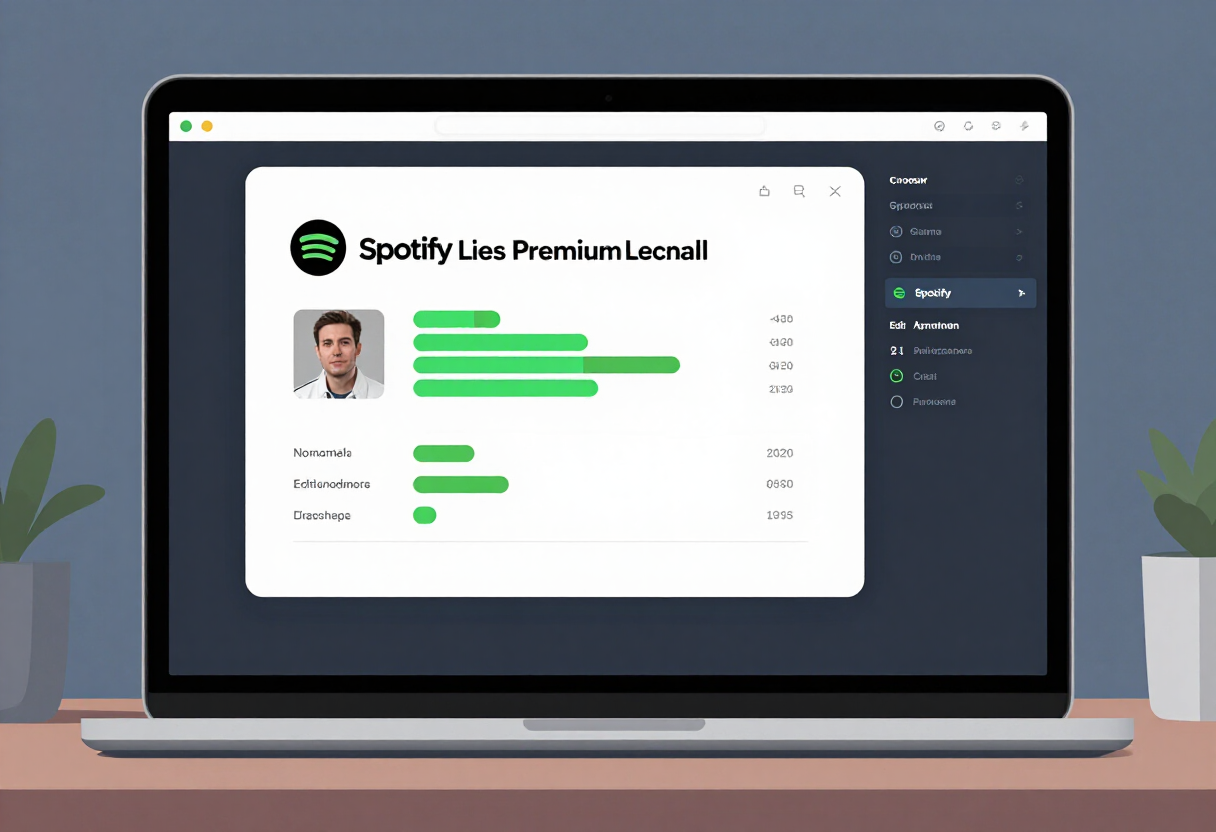
Spotify's Taste Profile, now in beta for US Premium users, lets listeners edit the algorithm behind Discover Weekly and Wrapped using plain-language commands.
Updated
Why it matters
- Spotify began rolling out Taste Profile to US Premium subscribers on Wednesday, after an initial beta limited to New Zealand.
- The feature powers Discover Weekly, Made for You recommendations, and Spotify Wrapped, and accepts natural language adjustment requests.
- Taste Profile is still in beta; Spotify gave no timeline for a wider release.
Spotify is handing US Premium subscribers direct control over the algorithm that decides what appears in their Home feed. The company began rolling out a feature called Taste Profile on Wednesday, and for the first time it shows users exactly how Spotify understands their taste across music, podcasts, and audiobooks — and lets them change it with natural language commands.
The stakes are significant. Taste Profile is the machinery behind Spotify's flagship recommendation products, including the Discover Weekly playlist, the Made for You section, and the annual Spotify Wrapped recap. Spotify's algorithmic grasp of listener habits is widely credited as the engine of its dominance in music streaming, but that same system has a known weakness: it often serves users an increasingly narrow stream of similar music when they actually want to branch out.
Spotify first unveiled Taste Profile at the SXSW conference in Austin in March, presented by co-CEO Gustav Söderström. At launch, the beta ran only in New Zealand. The US rollout moves the feature into Spotify's largest market by both traffic and revenue, where it faces a broader test among listeners aged 18 and up.
Users edit their profile by describing what they want. They can ask for more variety, request more or less of a specific genre, artist, or overall vibe, or nudge the mix toward more energizing tracks. Spotify also suggests the feature for listeners who want to explore a new genre or era but don't know where to start. The commands extend beyond music — users can specify what kinds of podcasts and audiobooks they want to see.
One practical use case targets a long-standing irritation: music that a user streams regularly but doesn't want more of. Sleep sounds played at night, or whatever a teenager plays in the car on a parent's account, can pollute recommendations. Spotify has previously offered limited remedies — excluding specific tracks or playlists, and more recently a toggle that stops kids' music from affecting parents' recommendations. Taste Profile goes further by letting users rewrite the underlying taste model itself.
The workflow is straightforward. In the mobile app, users tap their profile picture, scroll down to Taste Profile, and review how Spotify currently reads their preferences. Under a "Tell us more" prompt, they type what they want adjusted and send the message. Within a few hours, the Home feed reflects a different set of suggestions.
The feature remains in beta, and Spotify did not offer a timeline for a wider release. If the natural language approach works at scale, it would give Spotify something its recommendation engine has never had: a direct, continuous feedback channel from users in their own words, rather than inferred signals from listening behavior alone.
Original: newsroom.spotify.com
More from Marcus Bennett
Show full bio
Senior reporter covering consumer brands and retail at AI In Context.
108 articles
Related articles
- YouTube Lets Users Build Their Own Recommendation Feeds With AI
- Google Kills Gemini's Gems and Migrates Them to 'Skills'
- Meta's Muse Agent Takes Aim at the Subscription Economy's Debt to Forgetting
- Meta Says Muse's Exposed Filesystem Is Intended Behavior
- Meta's Muse agent hands every user a full Ubuntu Linux cloud computer