South Korea's ICT exports more than tripled to $70.35 billion in October
South Korea's ICT exports more than tripled year on year to $70.35 billion in October, the fastest growth on record, as AI demand lifted semiconductor shipments 259.4 percent.
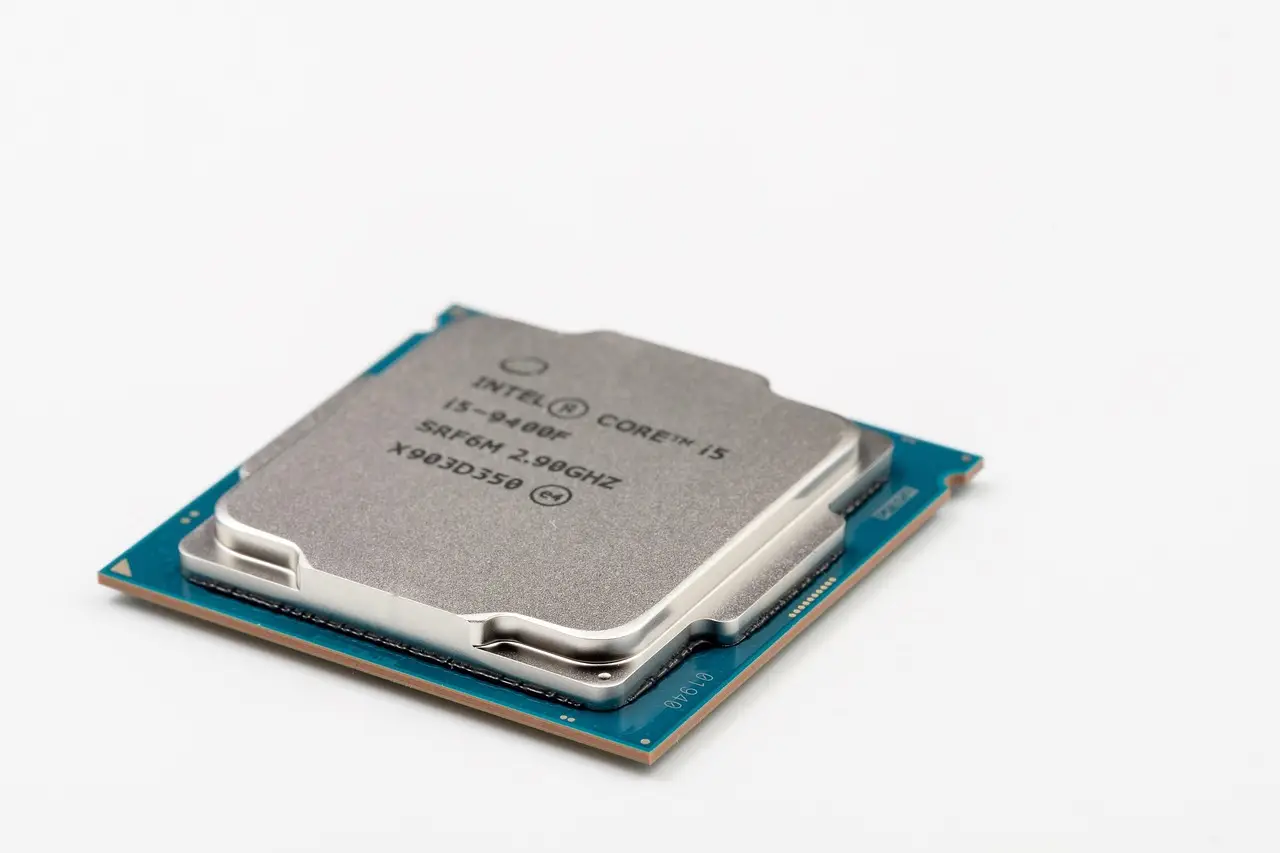
Why it matters
- South Korea's ICT exports more than tripled year on year to $70.35 billion in October, the sharpest growth on record.
- Semiconductor exports rose 259.4 percent to $56.47 billion on demand for premium memory and persistently high memory prices.
- ICT products made up 61 percent of total October exports of $115.28 billion, above 60 percent for a third straight month.
- ICT exports to China more than tripled to $27.2 billion; shipments to the U.S. grew more than sixfold to $15.56 billion.
- Computers and accessories exports rose more than fivefold to $5.99 billion, led by high-capacity server SSDs.
South Korea's exports of information and communication technology products more than tripled in October to $70.35 billion, the sharpest year-on-year growth rate on record, according to data released Sunday by the Ministry of Science and ICT.
The number matters beyond the headline. ICT products now account for 61 percent of everything South Korea sells abroad — $70.35 billion out of $115.28 billion in total October exports — and that share has stayed above 60 percent for three consecutive months. A single technology category has effectively become the majority of one of the world's largest export economies, and the ministry's data shows the global AI boom is the reason why.
How big was October, exactly?
The $70.35 billion total is not just a record growth rate. It is the second-highest monthly ICT export figure South Korea has ever posted, coming in just below the $75.1 billion recorded in September. A year earlier, October ICT shipments stood at $23.29 billion.
That comparison is the core of the story: outbound ICT shipments jumped from $23.29 billion to $70.35 billion in twelve months. The Ministry of Science and ICT, which compiled the data, attributed the surge to the global artificial intelligence boom.
The takeaway in plain terms: October wasn't a one-off spike, but the continuation of an AI-driven export run that has kept ICT above 60 percent of national exports for a full quarter.
What carried the growth?
The product-level breakdown shows exactly where AI demand lands in South Korea's export mix:
- Semiconductors: $56.47 billion, up 259.4 percent year on year. The ministry cited strong global demand for premium memory products and persistently high memory prices.
- Computers and accessories: $5.99 billion, growing more than fivefold from a year earlier. The driver was high-capacity solid-state drives, specifically SSDs built for servers.
- Mobile phones: $1.71 billion, up 6.5 percent, supported by strong sales of premium models.
Semiconductors are the center of gravity here. At $56.47 billion, chips alone made up roughly four-fifths of all ICT exports in October. The ministry's explanation — premium memory demand plus memory prices that have stayed persistently high — points to the mechanics of the AI buildout: companies training and running large models need high-end memory, and that demand has kept prices elevated long enough to show up in a monthly trade figure.
The computer and accessories line tells a complementary story. High-capacity server SSDs growing more than fivefold is a storage story, and storage demand is another direct consequence of AI workloads. Data centers don't just need compute; they need fast, dense storage to feed it.
Mobile phones, by contrast, grew modestly at 6.5 percent. That line item shows the boom is selective: it is concentrated in the components and hardware that AI infrastructure consumes, not in consumer gadgets, where premium model sales helped but did not transform the picture.
The takeaway: this is a memory-and-storage boom first, and a broader electronics boom only second.
Where did the shipments go?
The destination data is as striking as the product data. ICT exports to China more than tripled to $27.2 billion, with the ministry attributing the gain to semiconductors and computers. Exports to the United States grew more than sixfold to $15.56 billion.
Those two markets together absorbed roughly $42.8 billion of South Korea's $70.35 billion in ICT exports in a single month. The direction of the flows matters for how you read the story: China's purchases are climbing on chips and computers, while the U.S. figure posted the single steepest multiple of any destination, growing more than sixfold.
For an economy where ICT already makes up 61 percent of total exports, concentration of this kind cuts both ways. The same AI demand that lifted October to the second-highest month on record also ties South Korea's trade performance tightly to the pace of data center construction and AI investment in its two largest markets.
The takeaway: China and the United States are not just buying more Korean technology — they are buying it fast enough to set the pace of the country's overall export growth.
Why the AI boom shows up in a trade report
The mechanism here is worth spelling out. AI systems are trained and served on hardware — GPUs, high-bandwidth memory, dense server storage. South Korea is home to leading producers of the memory chips and SSDs that go into that hardware. When global AI investment rises, demand for those components rises with it, and because memory prices have stayed persistently high, each unit shipped earns more than it did a year ago.
That combination — volume up sharply, prices staying elevated — is what produces a 259.4 percent jump in semiconductor exports and an overall tripling of ICT shipments. The ministry's framing is consistent: every major growth line in the report, from premium memory to server SSDs, traces back to AI infrastructure demand.
The structural shift is the share number. When ICT products stay above 60 percent of total exports for three consecutive months, South Korea's trade balance is, functionally, an index of global AI hardware demand. That's the stakes: a monthly customs figure has become one of the clearest real-economy signals of how hard the world is building AI.
The takeaway: the AI boom stops being an abstract investment trend the moment it makes up the majority of a G20 economy's exports.
What comes next?
The report gives two signals to watch. First, October's $70.35 billion came in below September's $75.1 billion, so the question for coming months is whether the AI-driven run plateaus near these levels or keeps pushing monthly records. Second, with memory prices described as persistently high and demand for premium products still strong, the ministry's data suggests the forces behind October's record growth had not faded at the time of the report — meaning the share of South Korea's export economy riding on AI hardware is, for now, still growing.
Source: feed.koreatimes.co.kr
More from Sophie Lindqvist
Show full bio
Staff writer covering regulation, policy and their impact on artificial intelligence and machine learning at AI In Context.
625 articles
Related articles
- South Korea budgets $610 billion, targets world's best AI model
- Korea's Top 10 Exporters Grabbed 60.9% of All Exports in Q3
- Korea’s chip boom faces risk from U.S. data center curbs
- Foreign investors dumped $19.31 billion in Korean stocks in October
- Korean chip selloff after US midterms exposes 40% concentration risk