Polestar Unveils Formula 2030 Concept as US Sales Ban Looms for 2027
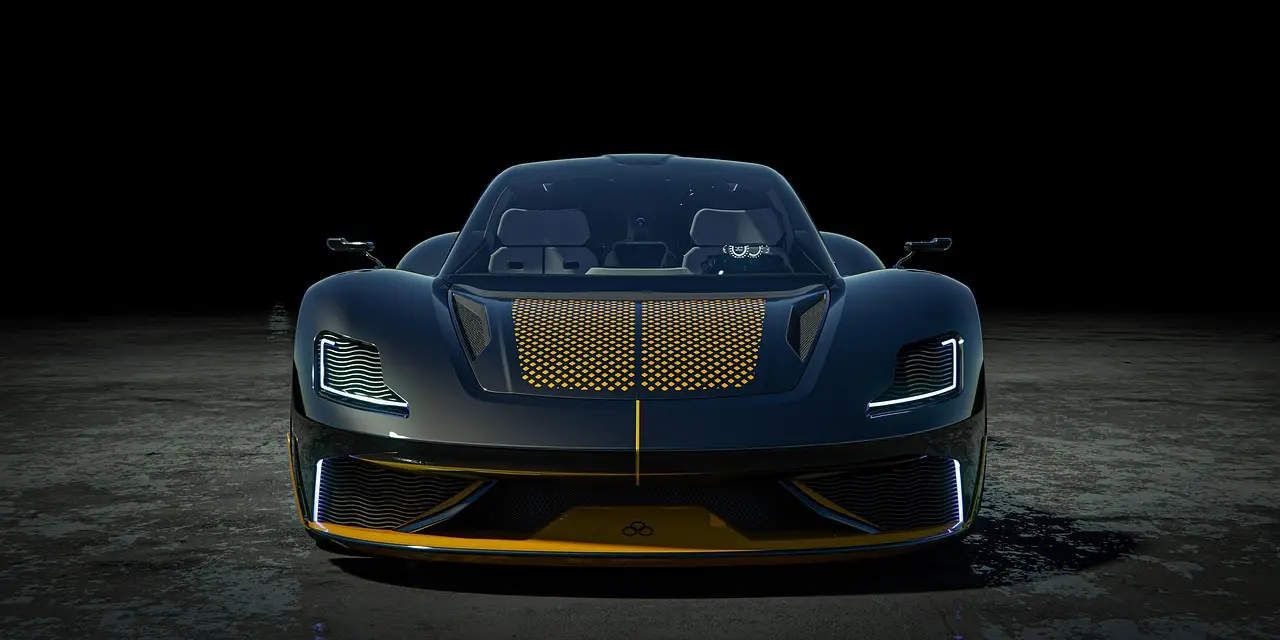
Polestar's Formula 2030 concept has inflatable seats, a pop-up LiDAR sensor and physical buttons, but a US rule will bar new Polestar model sales from 2027.
Why it matters
- The US Bureau of Industry and Security will not allow Polestar to sell new models starting in 2027 under the Connected Vehicle Rule.
- The Formula 2030 concept is 53 inches tall and 184 inches long with a concealed LiDAR sensor that appears in autonomous mode.
- Volvo, under the same Geely parent company, received US authorization; Polestar has not.
- Design elements will carry into the Polestar 2 successor in 2027 and the Polestar 7 SUV in 2028.
- The interior features a 20-inch curved driver display, a 12.2-inch center screen, physical buttons and Google Gemini voice control.
Polestar cannot sell new models in the United States starting in 2027, and the Swedish EV brand's answer to that ban is the Formula 2030 — a concept car nobody can buy, anywhere, but whose design cues will shape production vehicles Americans may be blocked from purchasing as well.
The US Bureau of Industry and Security imposed the restriction under the Connected Vehicle Rule, a regulation that limits the sale of cars containing software or hardware from China or Russia. Automakers can obtain an exception through authorization. Polestar has not received it. The company is majority-owned by China's Geely.
Volvo, which falls under the same parent company, did receive authorization. That contrast defines the stakes: two brands, one owner, opposite access to the US market.
What does the ban actually cover?
The Connected Vehicle Rule targets the software and hardware supply chain of connected cars, not the brand badge alone. Polestar's majority ownership by Geely places it inside the rule's scope. Without authorization, the Bureau of Industry and Security will not permit Polestar to sell new models in the US from 2027 onward.
Unless something changes, Americans will not be able to buy the future EVs the Formula 2030 inspires, either. That is the policy context hanging over what is otherwise a design showcase — a futuristic car built, as the company itself frames it, to generate hype for the brand among auto enthusiasts.
What is inside the concept?
The Formula 2030 is a low, compact four-door sports car. It stands 53 inches tall and measures 184 inches long — dimensions that place it firmly in compact sports-coupe territory. Design elements include:
- Polestar's Dual Blade headlights
- A wraparound windshield
- A rear section the company describes as "UFO-esque"
- Single Blade rear lights, which Polestar says will appear on future production models
- A concealed LiDAR sensor that emerges only when the car switches to autonomous mode
The LiDAR detail is the most technically notable. Most automakers mounting LiDAR (light detection and ranging, the laser-based sensing used for driver assistance) fix it visibly on the roof or grille. Polestar hides it until autonomy mode activates.
The company also skipped the full-width rear light bar that has become a styling cliché on modern EVs, opting instead for its Single Blade design language.
Why are the seats and buttons unusual?
The interior is where the concept makes its clearest statements. A 20-inch curved driver display mounts on the steering column, not the dashboard. Below a 12.2-inch center screen sit customizable physical controls — real buttons, a deliberate departure from the touchscreen-only interiors that dominate the segment.
The four individual seats carry inflatable bolsters that adjust to each occupant. The seat backs combine European flax and bio-based polypropylene, a materials choice aimed at reducing reliance on conventional petroleum-based composites.
The car uses Google Gemini for voice control, extending the existing Polestar–Google software relationship into the era of large language model-powered interfaces.
Which production cars will inherit this design?
Polestar says elements of the Formula 2030's design will appear on two scheduled models:
- The successor to the Polestar 2, coming in 2027
- The Polestar 7 SUV, expected in 2028
The timing is pointed. The Polestar 2 successor arrives in the same year the US sales restriction takes effect, meaning the first production car to carry this design language may never reach American showrooms unless Polestar secures authorization or the rule changes.
What are the stakes?
The Formula 2030 functions as a brand-building exercise at a moment when Polestar's US market access is in question. The concept showcases hardware choices — physical buttons, concealed LiDAR, sustainable seat materials — that signal the company's production priorities through 2028. Whether American buyers can act on any of it now rests with the Bureau of Industry and Security, not with Polestar's designers.
Source: engadget.com
More from Marcus Bennett
Show full bio
Senior reporter covering companies, deals and strategy in artificial intelligence and machine learning at AI In Context.
530 articles
Related articles
- Tesla Rises 4% as Finland Clears FSD Ahead of EU Vote
- Open weights, closed risks: the fight over frontier AI's future
- Trump Declares Foreign Factory Robots a National Security Threat
- Tesla’s EV Crown Is Gone. Its Autonomy Bet May Need SpaceX
- EU Proposes Digital Fairness Act: Six Percent Fines for Dark Patterns