Nvidia Reinstates Jensen Huang as CEO, and the Stock Erupts 34%
Nvidia's board reinstated Jensen Huang as CEO effective immediately, sending shares up 34% to about $168 after a $125.53 low, with U.S. government input cited in the decision.
Why it matters
- Nvidia's board reinstated Jensen Huang as CEO effective immediately on Monday after meetings that satisfied directors on his candor and ability to lead.
- Nvidia stock surged around 34% in morning trade to about $168, after a recent low of $125.53 on Friday; the Nasdaq Composite rose 6.6%.
- The board said it received input from senior levels of the U.S. government and is confident Huang's return poses no national security risk.
- Dan Ives of Yorkville Ives maintains a $225 price target, calling Nvidia 'a $300 stock with Jensen and a $225 stock without him.'
- Huang had resigned earlier this month amid reports of extramarital affairs, and the board had signaled at the earnings call it wasn't planning to reinstate him.
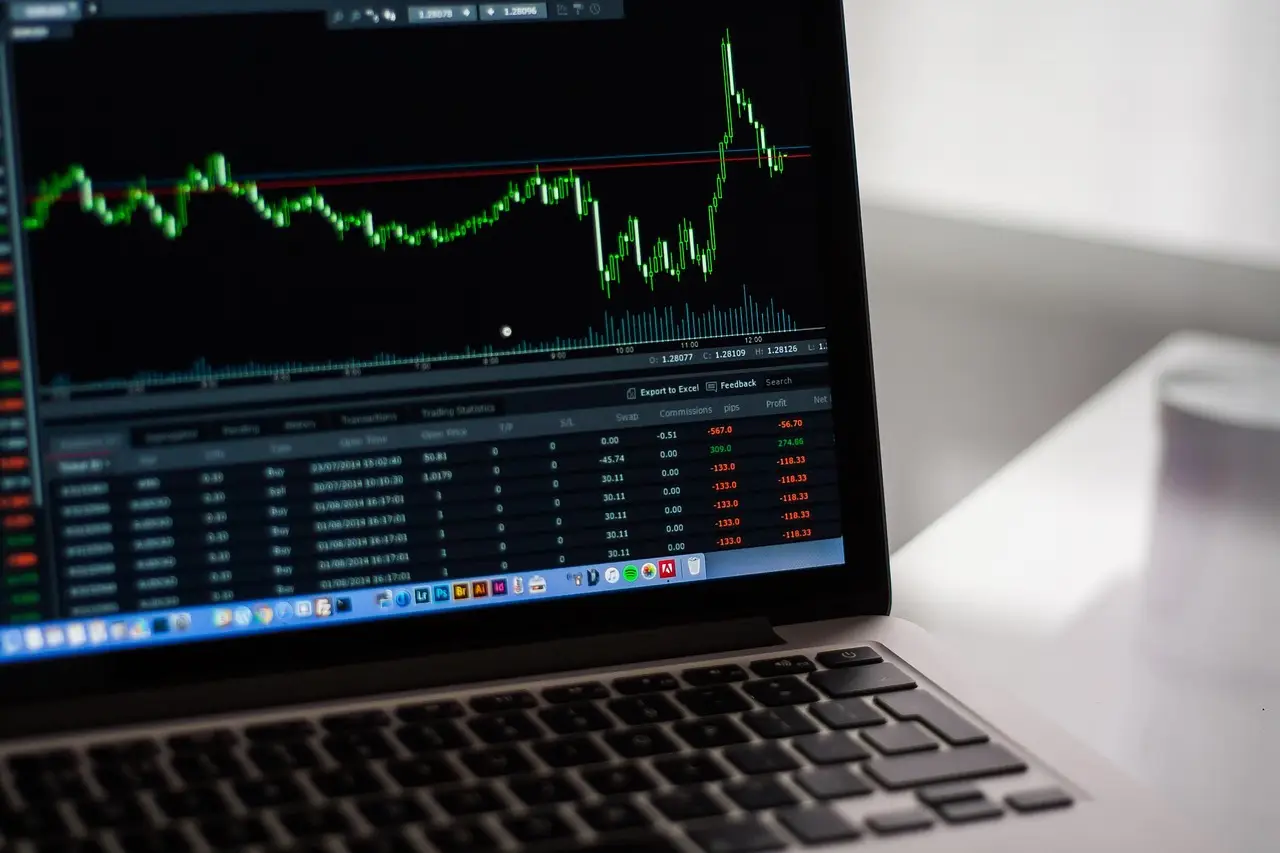
Nvidia's board of directors reinstated Jensen Huang as CEO effective immediately on Monday, and the stock answered with one of its sharpest rallies of the year: shares surged roughly 34% in morning trade to about $168, after touching a recent low of $125.53 just last Friday.
The reversal came less than two weeks after Huang resigned amid reports of extramarital affairs. It also came days after the board signaled, on the company's earnings call, that it did not plan to bring him back.
What changed? Meetings. A series of discussions between the board and Nvidia's co-founder and longtime CEO left directors satisfied with his candor and his ability to lead, the company said. The board also disclosed that it received input from senior levels of the U.S. government and expressed confidence that Huang's return poses no national security risk.
The news didn't just move Nvidia. The benchmark S&P 500 rose about 4.9%, the Dow Jones Industrial Average gained over 3%, and the tech-heavy Nasdaq Composite climbed 6.6%. For a market that has spent recent weeks questioning the durability of the AI trade, the return of the executive who anchors it mattered well beyond one ticker.
Why did the board reverse itself?
Dan Ives, partner and senior managing director at Yorkville Ives, framed the decision as a cold calculation about risk. "In our view this is a board that reversed itself because the alternative, a founder-less Nvidia at the start of the Rubin cycle with a CEO search running into next year, was the bigger risk to shareholders, and it chose to pair the reversal with the governance architecture investors will want to see around him," Ives wrote in a note.
The timing is the crux. Nvidia is heading into its next major product cycle — Rubin — and Ives argued that an interim leadership structure could not replicate what Huang personally brings: "the supply relationships with TSMC and the memory makers at a time when memory costs are the gross margin debate, the customer roadmap with the hyperscalers, the deal-making across the AI ecosystem, and the pace of the product cycle."
Ives was blunter still about the stakes for the broader sector. "At the end of the day despite this Jensen saga the Board knew it had no choice but to bring him back and for the U.S. technology sector this was the move it had to make," he wrote.
His firm has put a number on the founder premium. "Nvidia is a $300 stock with Jensen and a $225 stock without him," Ives said in the note.
What happens to the price target?
Despite that framing, Yorkville Ives is holding its $225 price target and outperform rating rather than switching to the "with-Jensen" case. Ives cited the ongoing investigation by the board's independent committee, government inquiries, unresolved questions around exports, and the board's own reversal of its decision to move on from Huang as reasons for restraint.
"We view today's news as removing the largest overhang on the stock (and the market) while leaving the ones the board itself named in the release, and we expect to revisit the target as those close," Ives added.
That distinction — between the overhang that's gone and the ones that remain — is where analysts split.
What does Huang's return change for the AI trade?
Sebastian Naji, research analyst for technology, media and communications at William Blair, said in a note that Huang's return "removes a significant overhang on the stock, restoring a leader whose unique management style, technical vision, and relationship-driven approach to deal-making would have been difficult to replace."
Naji pointed to a second, less obvious benefit: the involvement of Washington. "Moreover, reported assurances from the U.S. government surrounding his reinstatement could signal a more favorable regulatory outlook, potentially easing concerns about Nvidia's exposure to chip sales in Southeast Asia," he said.
But he paired that with a warning. While "Huang's return clears some of the uncertainty surrounding Nvidia, the events of recent weeks have exposed deeper questions around corporate governance, leadership succession, and regulatory oversight that could have lasting implications for the company's competitive position," Naji wrote.
The succession question is not going away. Huang co-founded Nvidia and has run it for decades, and the board's initial decision to part ways — followed by its rapid reversal — laid bare that the company has no visible plan for life after him.
Is the correction over?
Glen Smith, chief investment officer at GDS Wealth Management, took the market's side of the argument. He called the move a "shocking decision to reinstate Jensen Huang as CEO" that "helps to remove a key level of uncertainty from the AI trade, which has been suffering in recent weeks."
Smith argued the rally is justified on simple arithmetic: so much of Nvidia's decline stemmed from the leadership crisis itself. "Nvidia's stock is understandably surging on the news to reinstate Jensen Huang because so much of its decline stemmed from this Nvidia crisis and it appears that the worst is over and the company can move on from this and continue with its visionary CEO," he said.
He extended the call to the whole market. "Stock market corrections can sometimes end as quickly as they begin and we believe the bottom in stocks is likely in," Smith said.
Not everyone will follow him that far. The independent committee's investigation continues. Government inquiries continue. Export rules remain unresolved. Each one is a named risk the board itself attached to Monday's announcement.
What Monday settled is narrower but real: Nvidia will enter the Rubin cycle with its founder in charge, its most important supplier and customer relationships intact, and the U.S. government on record saying his leadership poses no security concern. What it didn't settle — who runs Nvidia after Jensen Huang, and under what governance — now sits on the board's agenda with a deadline nobody can name.
By Elena Vasquez
Source: moxie.foxbusiness.com
More from Elena Vasquez
Show full bio
Market editor covering technology and product news in artificial intelligence and machine learning at AI In Context.
870 articles
Related articles
- Nvidia reinstates Jensen Huang as CEO 11 days after removing him
- Jensen Huang's Return Adds $500 Billion to Nvidia's Partner Stocks
- After Trump's Push, Nvidia Board Reverses Itself and Returns Huang to CEO Seat
- Nvidia weighs Huang’s return after $400 billion market drop
- TSMC Rallies 17% as Jensen Huang's Return to NVIDIA Lifts Chip Stocks