Nasdaq Sinks Nearly 4% as AI Selloff and New Tariffs Hammer Wall Street
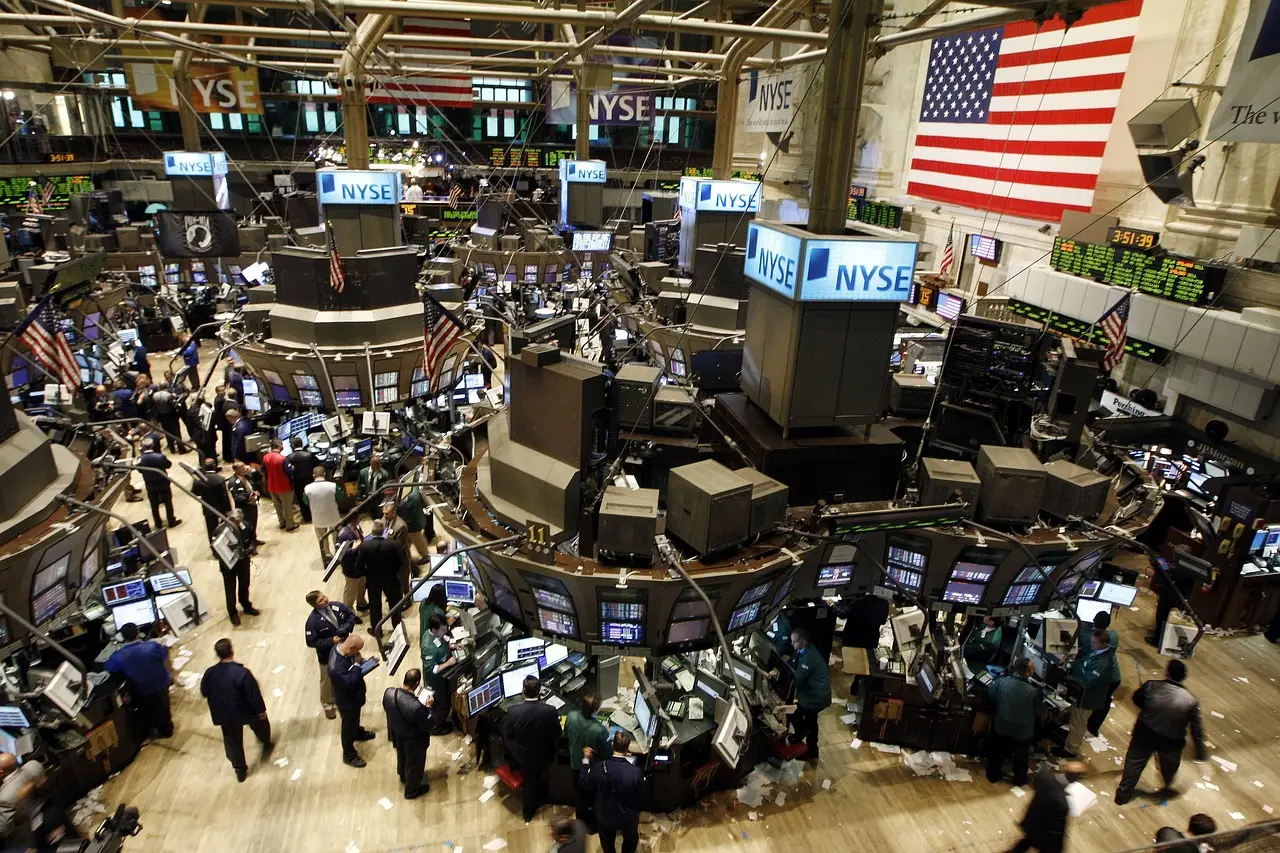
The Nasdaq Composite dropped 3.79% to 22,833.60 as AI stocks slid and the U.S. proposed new tariffs on 14 partners. Nvidia fell 8.7%; the Nasdaq 100 briefly hit bear-market territory.
Why it matters
- The Nasdaq Composite dropped 899.93 points, or 3.79 percent, to 22,833.60 by 11:28 a.m. ET on Wednesday.
- Nvidia fell 8.7 percent and the Philadelphia Semiconductor Index lost 7.3 percent.
- The U.S. proposed 20 percent excess-capacity tariffs on China, on top of roughly 25 percent in duties from Trump's first term.
- The Nasdaq Composite recorded 424 new 52-week lows against 17 new highs.
- The Nasdaq and S&P 500 are on track for their worst November since 2008.
The Nasdaq Composite dropped 3.79 percent — 899.93 points, to 22,833.60 — by 11:28 a.m. ET on Wednesday, as a deepening selloff in AI-related shares and fresh U.S. tariff proposals hit a market already bracing for higher interest rates. The Nasdaq 100 briefly fell 20 percent from its record closing high, flirting with bear market territory.
The S&P 500 lost 181.04 points, or 2.51 percent, to 7,020.05. The Dow Jones Industrial Average fell 602.93 points, or 1.21 percent, to 49,415.77. The Nasdaq and the S&P 500 remained on track for their worst November since 2008.
The rout has two engines. One is doubt over whether the debt-fueled AI boom can deliver the returns the market has priced in. The other is trade policy: the U.S. proposed new tariffs on 14 major trading partners to combat what it calls structural excess industrial capacity, reviving global trade tensions and clouding the outlook for investors already facing the prospect of rates staying higher for longer.
What did the chip and megacap stocks do?
Chipmakers led the declines. Nvidia fell 8.7 percent. The Philadelphia Semiconductor Index lost 7.3 percent.
The damage spread across the megacaps:
- Alphabet fell 5 percent.
- Amazon shed 5.4 percent.
- Microsoft dropped 3 percent.
- Apple declined 1.7 percent.
Anthropic slipped 2.1 percent. The AI lab closed Tuesday at $81.90, below its $83 IPO price, following a blockbuster market debut last week.
The S&P 500 technology sector led the losses with a 5.2 percent fall. Most other sectors on the benchmark were also trading in negative territory.
Why is the AI trade losing steam?
Wall Street has been roiled all month, and the pressure is compounding. Fears of increased regulatory scrutiny of the AI sector followed the Democratic sweep in the midterm elections, adding a political risk layer on top of the earnings questions.
Chris Brigati, chief investment officer at SWBC, captured the mood in a note: "The fundamental support for a year-end rally simply isn't there."
He went further on the core question hanging over the sector: "The AI-inspired rally continues to run out of steam, and without evidence that massive capex spending will deliver the profit and revenue goals the market expects, there is little incentive for a rebound."
That is the crux of the selloff. Investors poured capital into AI infrastructure on the promise of profit and revenue growth, and the market is now demanding the receipts. Until companies show that the spending works, traders have, in Brigati's words, little incentive to buy the dip.
Jensen Huang's return as Nvidia CEO after his removal earlier this month provided a temporary reprieve at the start of the week. The bounce did not hold. Broader concerns lingered, and by Wednesday morning Nvidia was one of the market's biggest drags.
What are the new tariffs?
The U.S. proposed tariffs on 14 major trading partners to combat what it calls structural excess industrial capacity. China will face the highest rates. The proposed 20 percent excess-capacity levies would come on top of the roughly 25 percent in duties imposed during Donald Trump's first term — meaning Chinese goods could face tariffs approaching 45 percent.
The tariff news landed on a market already stretched thin by inflation worries. Inflation increased further in October, and oil prices have seen a sustained rise tied to the U.S.-Iran war. Together, those forces reinforce expectations that the Federal Reserve will raise interest rates next month and again in early 2027.
Art Hogan, chief market strategist at B. Riley Wealth, said tariff concerns were overshadowing economic data. That is notable, because the economic data was good: the U.S. economy grew much faster than initially estimated in the third quarter. Strong growth plus rising inflation is exactly the mix that keeps the Fed tightening, and that mix is now colliding with a trade shock.
How broad was the damage?
Very. Declining issues outnumbered advancers by a 2.05-to-1 ratio on the NYSE and by a 2.97-to-1 ratio on the Nasdaq.
The new-highs and new-lows data tells the sharper story. The S&P 500 posted 8 new 52-week highs and 11 new lows. The Nasdaq Composite recorded 17 new highs and 424 new lows — a ratio of roughly 1 to 25, and a sign of how narrowly the selling has spared the tech-heavy index.
Not every stock fell. Dell Technologies dropped 7 percent even after raising its annual revenue and profit forecasts — a clear signal that guidance upgrades no longer cushion tech shares in this tape. Rival PC maker HP gained 11.7 percent after reporting fourth-quarter revenue and profit above analysts' estimates.
What happens next?
U.S. markets will be closed on Thursday for Thanksgiving and will operate a shortened session on Friday. That thin holiday liquidity arrives just as the market digests tariff proposals, a possible December rate hike, and an AI sector still waiting for its capex to pay off.
The November scoreboard now carries the comparison investors least want: since 2008. Whether the month closes there depends on whether the AI trade finds evidence that its spending works — or whether the selloff deepens into a full bear market for the Nasdaq 100, which has already tested that 20 percent line.
Source: feed.koreatimes.co.kr
More from Elena Vasquez
Show full bio
Market editor covering technology and product news in artificial intelligence and machine learning at AI In Context.
917 articles
Related articles
- Nasdaq falls 3.75% as AI stocks slide on inflation, tariffs
- Anthropic Falls 12.5% in Trading Debut as Nasdaq Drops 2.37%
- Nasdaq Falls 5.52% as Midterm Sweep Triggers AI Regulation Selloff
- AI sell-off wipes out Nasdaq's 2025 gains as Dow and S&P 500 enter correction
- Tech sell-off erases nearly $2tn from Nasdaq in a month