Nasdaq's Worst Day in 19 Months Triggers Global AI Sell-Off
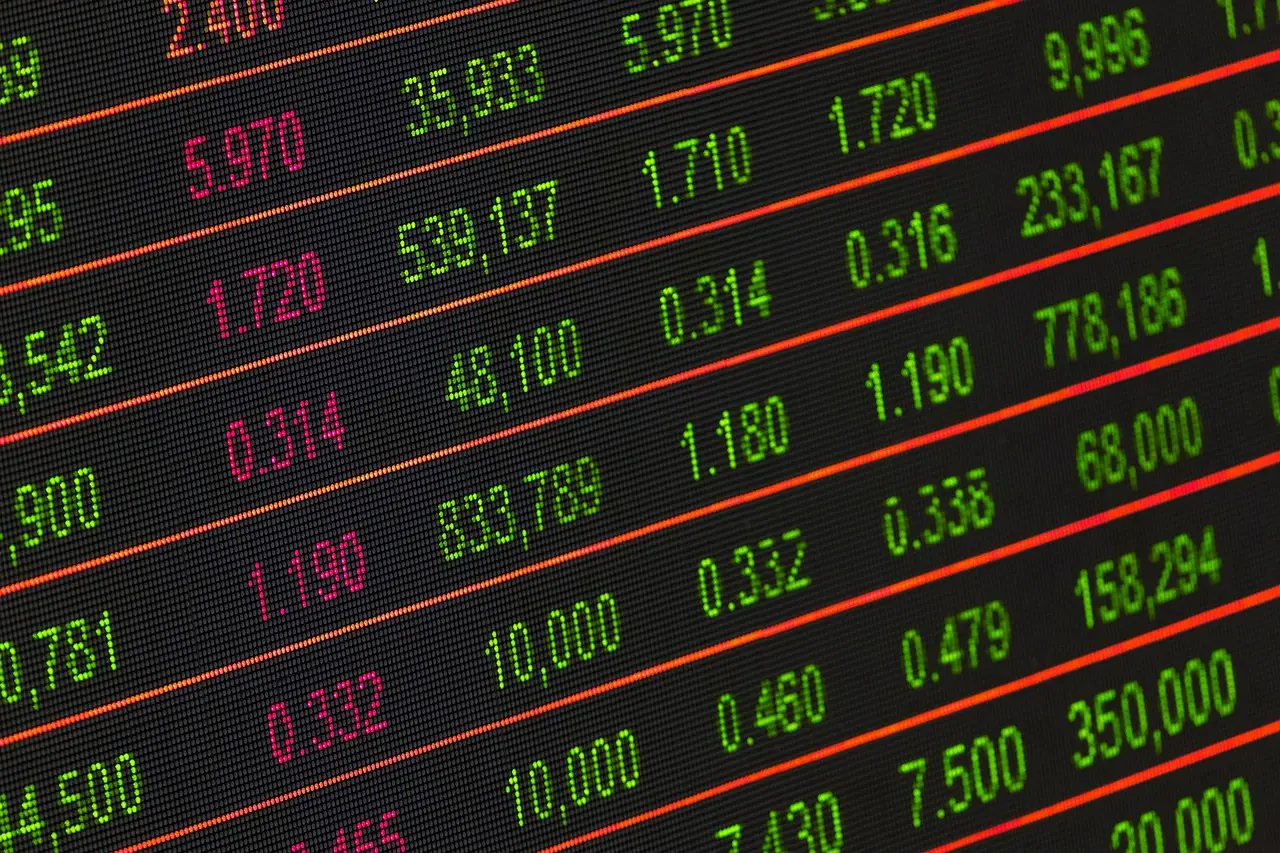
The Nasdaq's worst day in 19 months, a 5.5% slump, spread to Asia and Europe as Democrats' midterm victory stoked fears of an AI datacentre spending slowdown.
Why it matters
- The Nasdaq fell 5.5% on Thursday, its worst day in 19 months, with the Vix jumping 61%.
- SanDisk tumbled 22% and Western Digital fell 17% as chip and storage stocks led the decline.
- Japan's Nikkei 225 sank 6% and South Korea's Kospi fell more than 8% on Friday morning.
- The FTSE 100 opened down 1.5%, or 166 points, at 10,615, still up almost 6.9% in 2026.
- Wealth Club's Susannah Streeter warned the datacentre build-out "looks set to slow" as investors grow nervous about returns.
The Nasdaq suffered its worst trading day in 19 months on Thursday, slumping 5.5%, and the losses have now spread to Europe, with London's FTSE 100 opening down 1.5%, or 166 points, at 10,615. The trigger, according to market analysts, is a political one: the Democrats' victory in the US midterm elections has sparked fears of a slowdown in the AI industry, and investors are repricing the entire sector accordingly.
The sell-off did not stay contained on Wall Street. Asian markets took the hit first on Friday morning, with Japan's Nikkei 225 sinking 6% and South Korea's Kospi tumbling more than 8% in early trading. European markets followed, with Germany's Dax opening down 1.5%, France's Cac 40 dropping 1.2%, and Spain's Ibex down 1.1%.
What is driving the sell-off?
The core fear is capital expenditure, not consumer demand. Susannah Streeter, chief investment strategist at Wealth Club, said: "The tech sell-off has intensified, with the pain of the brutal sell-off on Wall Street carried straight through to Asia and knocking sentiment in Europe."
Streeter identified two converging pressures. "Big worries are colliding – the build-out of datacentres looks set to slow, which risks shredding the spending spree underpinning the boom, right at the time that investors have become super nervous about returns on this massive investment."
That framing matters for the AI industry specifically. The infrastructure build-out — the datacentres that house the computing power behind large AI models — has been the single largest line item in the sector's growth story. If that spending slows, the effects cascade to chipmakers, cloud providers, and the hardware supply chain beneath them. The market action suggests investors now see that spending as politically exposed following the midterm result, though the source does not specify which policies are expected to change.
The market's fear gauge confirms the severity of the repricing. Wall Street's "fear index", the Vix (a measure of expected stock market volatility derived from options prices), jumped 61% to its highest levels since the early weeks of the Iran war.
Takeaway: the sell-off reflects a specific worry — that datacentre construction, the financial engine of the AI boom, may slow at exactly the moment investors are already questioning returns on the money already spent.
Which stocks took the biggest hits?
Chip and storage stocks led the decline, which is consistent with the datacentre slowdown thesis. These companies sit closest to AI infrastructure spending, so they absorb the first shock when that spending comes into doubt.
- SanDisk, the memory chip maker, tumbled 22% — the sharpest fall among major tech names
- Western Digital, the hard drive maker, fell 17%
- AstraZeneca, the pharmaceuticals company, opened down 2.8%, the biggest faller on the FTSE 100
- IAG, owner of British Airways and Iberia, fell 1.5% after missing profit forecasts in a trading update
- Miners Antofagasta and Anglo American also featured among the FTSE 100's biggest fallers
The AstraZeneca and IAG declines deserve a caveat. AstraZeneca is not an AI play, and IAG's fall followed a missed profit forecast, not tech contagion. Their presence at the top of the losers' list suggests the rout broadened beyond the sector that triggered it — a pattern typical of generalized risk-off trading rather than a targeted repricing of AI assets alone.
Takeaway: memory and storage makers took the worst damage, but the falls spread to companies with no AI exposure, which indicates fear moving through the whole market rather than one industry.
How bad is the damage relative to the year?
Context tempers the panic. Despite the sharp losses across global markets, most indices remain up for the year.
The Nasdaq Composite index is still up 4.6% since the start of January — even though it now sits more than 10% below its peak. That 10% figure is significant in market terms: a decline of that size from a peak meets the technical definition of a correction, signaling sustained selling pressure rather than a single bad session.
The FTSE 100 has gained almost 6.9% in 2026 — but it is now more than 300 points below the record high it set in July. One point of caution for readers: the source dates these figures to 2026, a detail worth noting when assessing how current the data is.
The pattern across both indices is identical: strong year-to-date gains paired with a meaningful retreat from summer highs. Investors are giving back a portion of this year's profits, not erasing them.
Takeaway: this is a sharp correction within a still-positive year, not a wipeout — the Nasdaq and FTSE 100 both remain ahead for 2026 even after this week's falls.
Why the political angle matters for AI
The unusual feature of this sell-off is its stated political trigger. Markets have spent the past two years absorbing AI optimism into valuations, and the midterm result has now introduced a policy variable into what was previously a growth story driven almost entirely by corporate spending. Streeter's analysis puts the mechanism plainly: investors are "super nervous about returns on this massive investment" while simultaneously watching the datacentre build-out that justifies it slow down.
That double pressure — doubted returns and shrinking infrastructure spending — is what distinguishes this rout from an ordinary tech dip. The Vix spike of 61% indicates traders are paying up for protection against further volatility, which typically precedes a period of continued turbulence rather than a quick recovery.
What the source does not say is equally important. There is no named policy, bill, or regulatory action explaining precisely how the Democrats' victory translates into a slower AI build-out. The market is trading on expectation, not enacted legislation. That gap leaves room for the sell-off to reverse quickly if the anticipated policy drag fails to materialize — or to deepen if it does.
The next signal to watch is whether datacentre operators and hyperscale cloud companies revise their capital spending guidance in coming quarters. That is the concrete test of whether Thursday's panic reflects a real slowdown in AI infrastructure investment or a political overreaction priced in a single session.
Source: The Guardian AI
More from James Calloway
Show full bio
News editor covering people, launches and day-to-day practice in artificial intelligence and machine learning at AI In Context.
389 articles
Related articles
- SK Hynix Plunges 10% as AI Funding Fears Trigger Asia Chip Rout
- Tech sell-off erases nearly $2tn from Nasdaq in a month
- Nasdaq's 3% Friday Plunge Ends AI Rally as Big Tech Earnings Fail
- AI Sell-Off Deepens: KOSPI 200 Falls 8% as Inflation Fears Bite
- Tech stocks rebound as AI-spending jitters ease after brief selloff